Are We Born Afraid of Snakes and Mice? Understanding Fear, Learning, and Our Relationship with Misunderstood Species
Author: C.L.Williams LMM MA MFPol MMPol MEnvSc MSc MBA MDisServ MAutNeu MEd

Author: C.L.Williams LMM MA MFPol MMPol MEnvSc MSc MBA MDisServ MAutNeu MEd
For many people, the sight of a snake, mouse, or rat can trigger an immediate reaction: a racing heart, a feeling of panic, the urge to move away, or a strong desire to avoid the animal completely.
But why?
Are humans naturally afraid of certain animals? Is fear inherited through evolution? Or are these responses learned through our families, communities, and experiences?
The answer is more complex than simply being “born afraid.”
Research suggests that human responses to animals are shaped by a combination of evolutionary influences, individual experiences, social learning, cultural beliefs, and personal interactions with animals.
Understanding where these fears come from matters because our perceptions of animals influence how we treat them — from wildlife conservation and animal welfare to whether we recognise the potential for meaningful relationships with different species.
At the Working Animals Federation of Australia (WAFA), understanding the human–animal relationship means recognising that every species has unique qualities, needs, and contributions. While dogs are often the most visible working and therapeutic animals, the human–animal bond extends far beyond one species.
One explanation for why some animals commonly trigger fear is the concept of evolutionary preparedness.
Throughout human history, certain animals represented genuine survival risks. Venomous snakes, predators, and other dangerous animals could cause injury or death. Individuals who were able to quickly detect potential threats may have had a survival advantage.
Öhman and Mineka (2001) proposed that humans may have evolved psychological mechanisms that make us particularly sensitive to detecting certain ancestral threats, including snakes and spiders.
Research has demonstrated that humans and other primates can rapidly detect snake-like stimuli compared with neutral objects, suggesting that our attention systems may be especially responsive to certain evolutionary threats.
However, evolutionary preparedness does not mean that humans are born fearing snakes.
Instead, humans may be biologically prepared to learn fear more easily toward certain stimuli.
A child is not born knowing that a snake is dangerous. Rather, their brain may be more ready to associate a snake with danger if they receive information, observe fear in others, or experience a negative interaction.
Fear itself is not inherited in the same way as physical characteristics such as eye colour or height.
A person is not born with a genetic memory saying, “snakes are dangerous.”
However, genetics can influence characteristics that affect fear responses, including:
Research suggests that biological factors influence how individuals respond to stressful situations, but specific animal fears usually develop through an interaction between biology and experience.
In simple terms:
We may inherit the ability to learn fear, but not necessarily the fear itself.
Many animals that trigger fear responses in humans are not actually dangerous.
A common example is the house mouse.
Unlike venomous snakes, mice and rats have historically posed less direct physical danger to humans. Yet many people experience strong fear, disgust, or avoidance responses toward rodents.
This demonstrates that animal fear is not always based on actual risk.
Psychologists often distinguish between:
A response linked to perceived threat or danger.
A response associated with contamination, disease, or avoidance.
Rodents are frequently associated with ideas of dirt, disease, and infestation. These cultural associations can create powerful emotional responses, even in people who have never experienced harm from a mouse or rat.
One of the strongest influences on animal attitudes is social learning.
Humans learn not only through direct experience but also by observing others.
Bandura’s (1977) social learning theory demonstrated that people can acquire behaviours and emotional responses by watching the reactions of others.
A child who sees an adult scream, avoid, or express disgust toward a snake or mouse may learn that the animal is something to fear.
Messages such as:
can shape attitudes long before a person has direct experience.
Fear can therefore become part of family and community culture.
Animal perceptions vary significantly across cultures and communities.
A species feared in one society may be respected, protected, or valued in another.
For example:
Human relationships with animals are therefore shaped not only by biology but also by stories, experiences, traditions, and social expectations.
When people think about animals supporting human wellbeing, dogs are often the first species that comes to mind.
Dogs have a well-established role in assistance work, therapy programs, and animal-assisted interventions. Their social behaviour, trainability, and long history living alongside humans have made them highly visible partners in supporting health and wellbeing.
However, the human–animal bond is not limited to dogs.
Research into animal-assisted interventions demonstrates that interactions with animals can support human wellbeing when programs are designed ethically and appropriately, while also prioritising the welfare of the animal involved (Fine, 2019).
The field of human–animal interaction has explored relationships between humans and many different species, including:
Each species offers different opportunities for connection and engagement.
The important question is not simply:
“What can this animal do for humans?”
It is also:
“How do we create ethical relationships where both humans and animals benefit?”
Rats and mice are among the most misunderstood animals.
Public perceptions often focus on their association with pests and disease. However, domesticated rats and mice demonstrate complex social behaviours, curiosity, learning ability, and problem-solving skills.
Research in animal cognition has demonstrated that rodents display sophisticated behaviours and social abilities, challenging outdated perceptions that they are simple or unintelligent animals (Gould & Gould, 2010).
In carefully designed educational and human–animal interaction settings, appropriately socialised rodents may provide opportunities for:
While the research base for rodents in formal animal-assisted interventions is smaller than the evidence base for dogs, recognising their intelligence, individuality, and capacity for interaction helps broaden our understanding of the human–animal bond.
The value of an animal does not come only from whether society considers that species traditionally “useful.” It comes from understanding the individual animal, their welfare needs, and the type of relationship that can be ethically developed.
Reptiles, including snakes, are another group frequently affected by fear and misunderstanding.
Because some snake species are venomous, humans have developed understandable caution around them. However, many snake species are harmless and play important ecological roles.
Safe and ethical interactions with reptiles can support:
Animal-assisted or educational programs involving reptiles must always prioritise welfare, including appropriate handling, environmental needs, stress management, and recognising the individual animal’s suitability for interaction.
The value of these interactions does not come from forcing contact with animals.
It comes from respectful relationships built through understanding.
The therapeutic value of an animal does not come only from the species they belong to.
It comes from the relationship created between the animal and the person.
The human–animal bond is built through:
A dog, horse, cat, mouse, or snake each has different abilities and welfare requirements.
Ethical practice requires recognising those differences rather than assuming all animals can or should fulfil the same roles.
The goal is not to compare species against one another.
The goal is to recognise the many ways animals and humans can form meaningful relationships.
Fear influences behaviour.
When people fear animals, they may respond through avoidance, removal, or harm. Understanding the origins of fear allows communities to develop more compassionate and evidence-based approaches.
Education plays an important role in replacing myths with knowledge.
Recognising the value of diverse species also challenges the idea that only traditional companion animals can contribute positively to human wellbeing.
Every species deserves to be understood as an individual.
Every animal deserves appropriate welfare consideration.
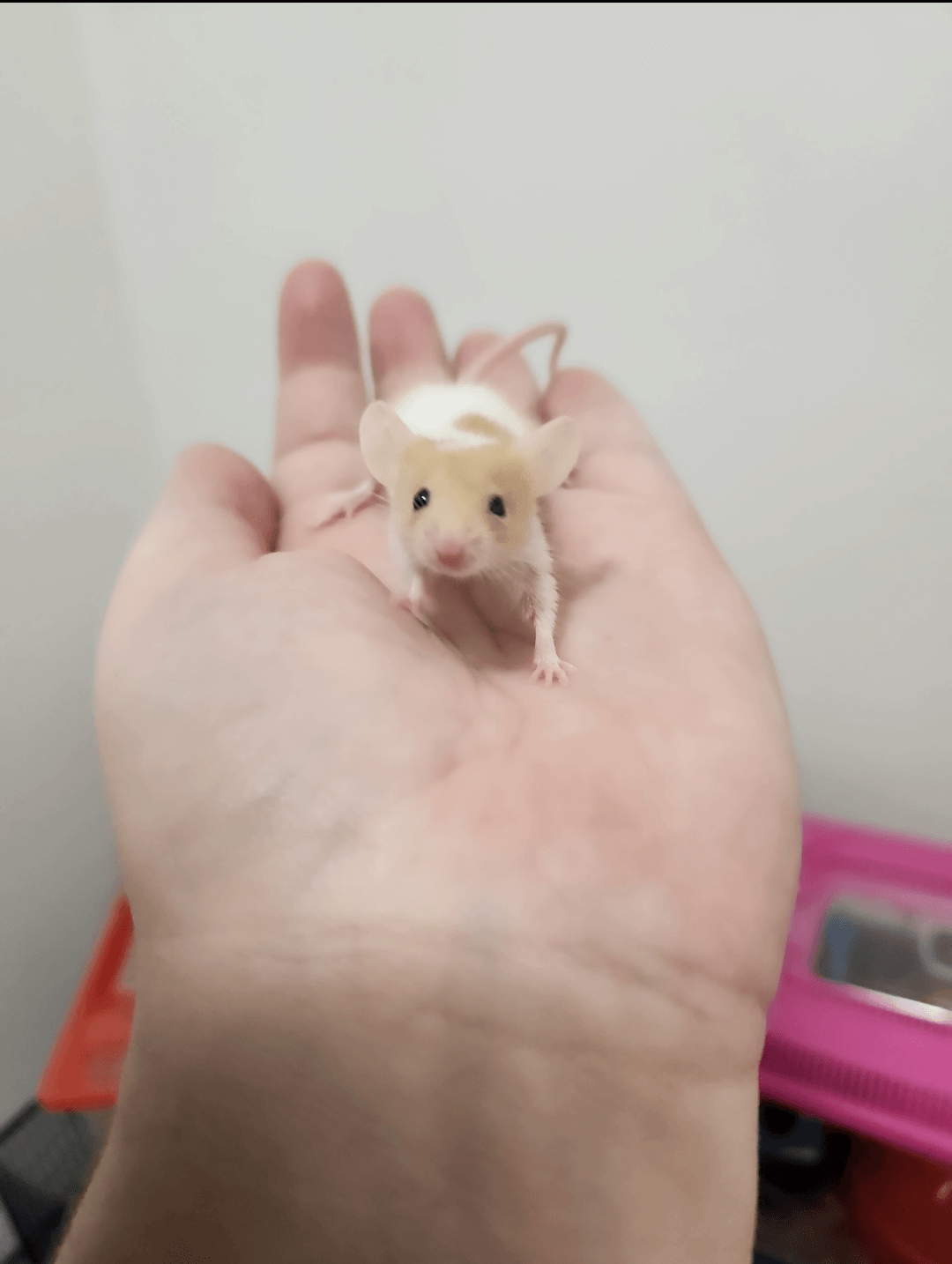
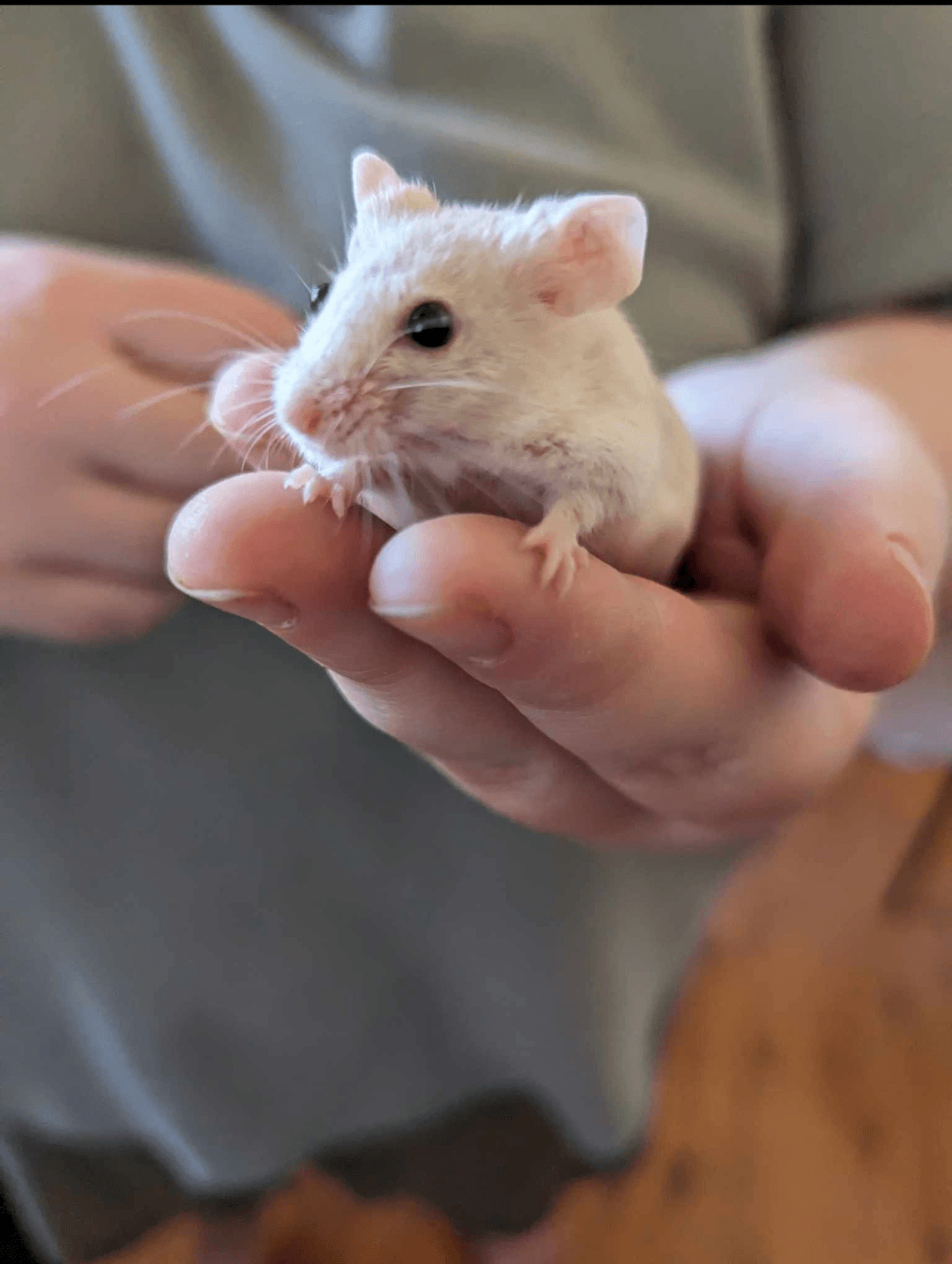
The photographs included in this article are personal images provided by the author and reflect her own journey with animals.
Interestingly, this story is also a reminder that our relationships with animals can change over time.
For many years, she was afraid of mice and rodents. Like many people, her early perceptions were shaped by common beliefs and societal messages that associated these animals with fear, dirt, or danger.
It was through working within the animal industry, learning more about their behaviour, intelligence, social nature, and individual personalities that her perspective began to change.
What was once an animal she feared became an animal she admired.
Her experience highlights an important part of the human–animal bond: understanding creates connection.
When we move beyond assumptions and take the time to learn about a species, we often discover complexity, beauty, and value where we previously saw only fear.
The journey from fear to appreciation is one many people experience, and it demonstrates the powerful role that education, experience, and compassionate interactions can play in changing the way we see animals.
Understanding fear is not about dismissing people’s experiences.
Fear is a normal human response shaped by biology and learning.
However, through education and ethical interaction, communities can move from fear and misunderstanding toward respect, coexistence, and recognition of the many ways animals can contribute to human wellbeing.
Bandura, A. (1977). Social learning theory. Prentice Hall.
Fine, A. H. (Ed.). (2019). Handbook on animal-assisted therapy: Foundations and guidelines for animal-assisted interventions (5th ed.). Academic Press.
Friedmann, E., & Son, H. (2009). The human–companion animal bond: How humans benefit. Veterinary Clinics of North America: Small Animal Practice, 39(2), 293–326. https://doi.org/10.1016/j.cvsm.2008.10.004
Gould, J. L., & Gould, C. G. (2010). Animal architects: Building homes for birds and mammals. Basic Books.
Herzog, H. (2010). Some we love, some we hate, some we eat: Why it’s so hard to think straight about animals. Harper.
Mineka, S., & Cook, M. (1993). Mechanisms involved in the observational conditioning of fear. Journal of Experimental Psychology: General, 122(1), 23–38.
Öhman, A., & Mineka, S. (2001). Fears, phobias, and preparedness: Toward an evolved module of fear and fear learning. Psychological Review, 108(3), 483–522. https://doi.org/10.1037/0033-295X.108.3.483
Rachman, S. (1977). The conditioning theory of fear acquisition: A critical examination. Behaviour Research and Therapy, 15(5), 375–387.
Seligman, M. E. P. (1971). Phobias and preparedness. Behavior Therapy, 2(3), 307–320.
Serpell, J. A. (2004). Factors influencing human attitudes to animals and their welfare. Animal Welfare, 13(S1), S145–S151.