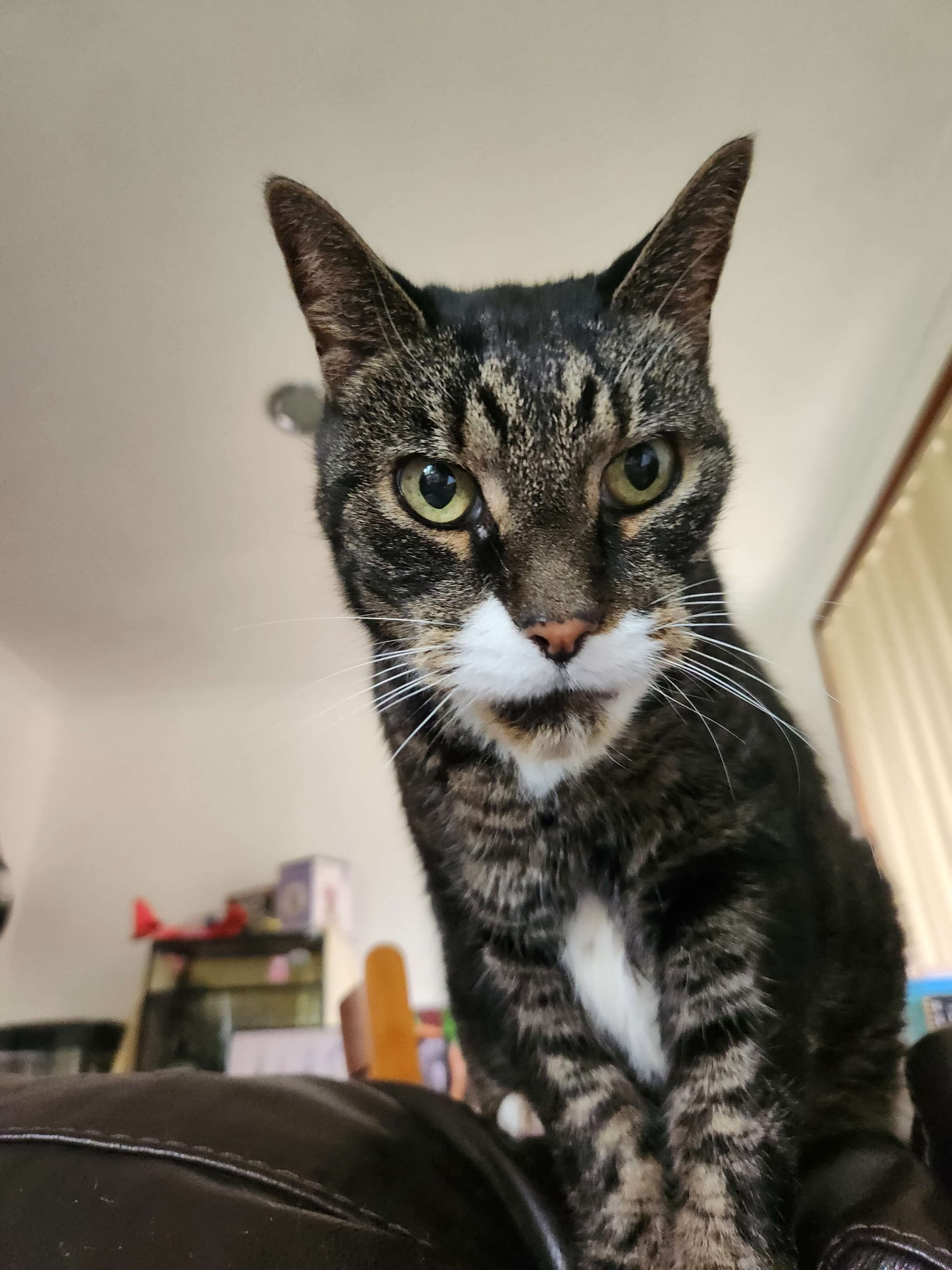
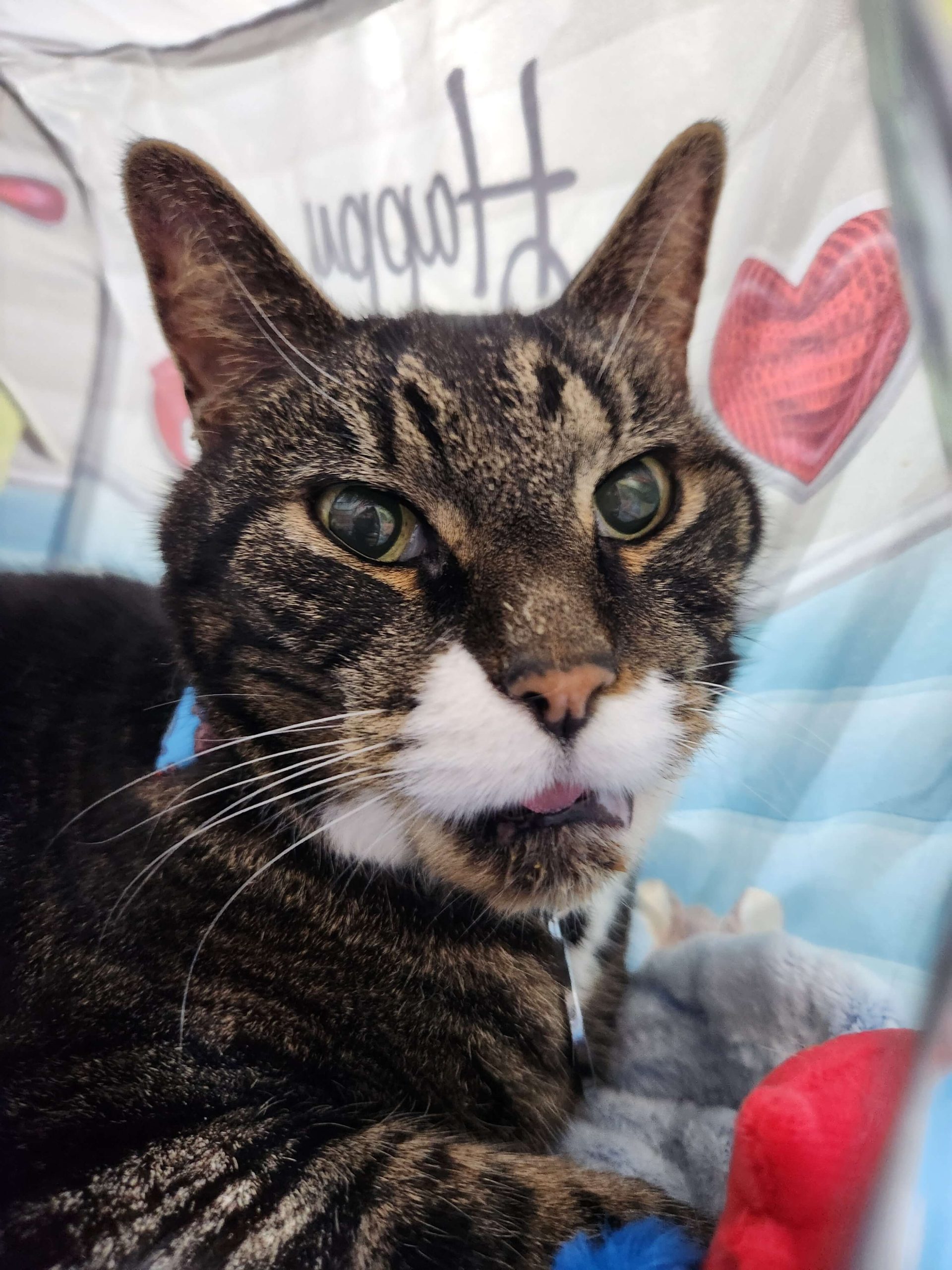
Shadow: A Life of Service, A Death That Should Have Been Different
Author: C.l.Williams
Author: C.l.Williams
At the Working Animals Federation of Australia, we often speak about the extraordinary bond between a handler and their assistance animal. But we don’t speak enough about the grief, responsibility, and systemic failures that can occur when that animal’s life is shortened—or their suffering prolonged—through missed or inadequate veterinary care.
This is Shadow’s story.
A Rescue Who Became So Much More
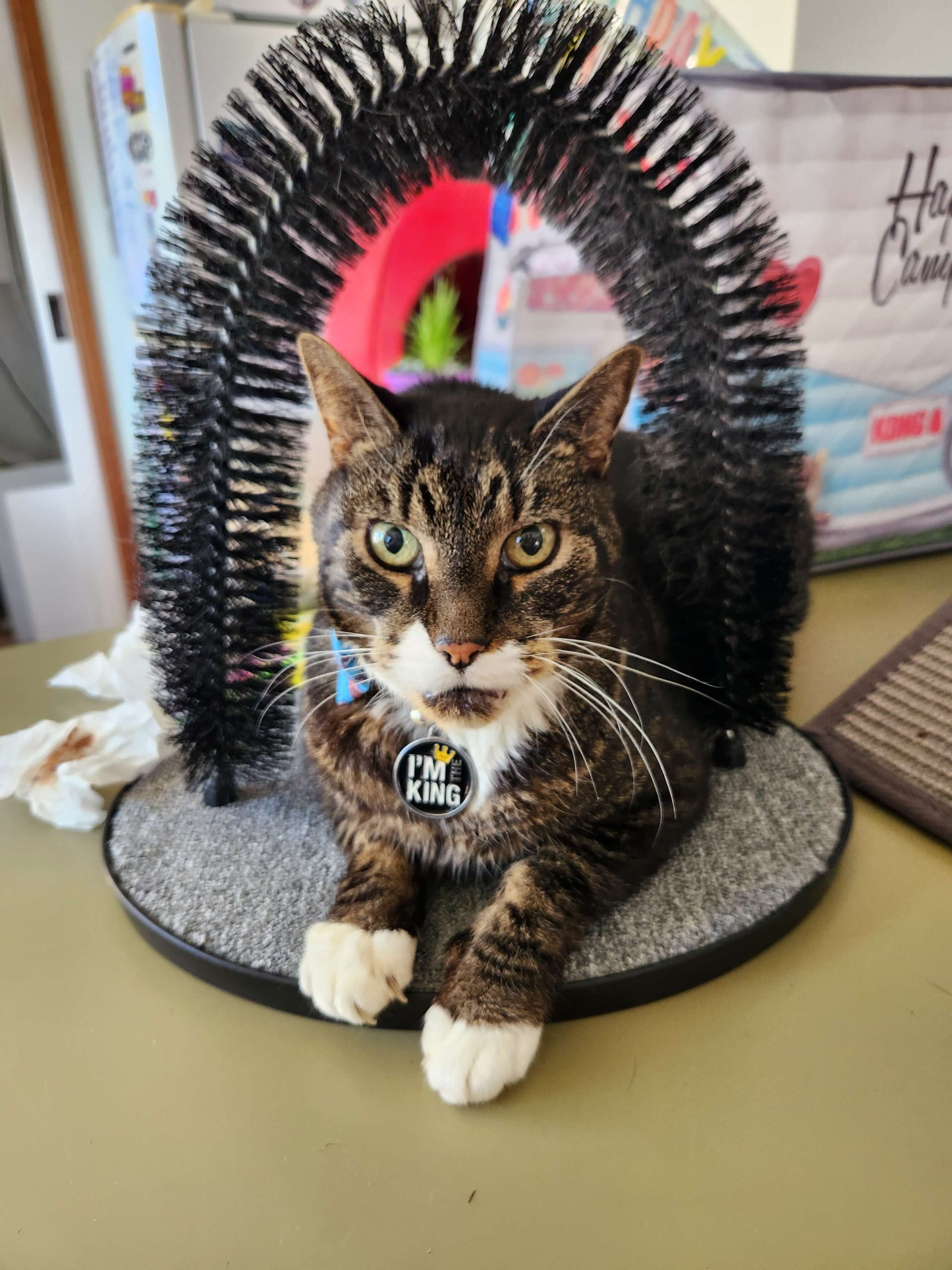
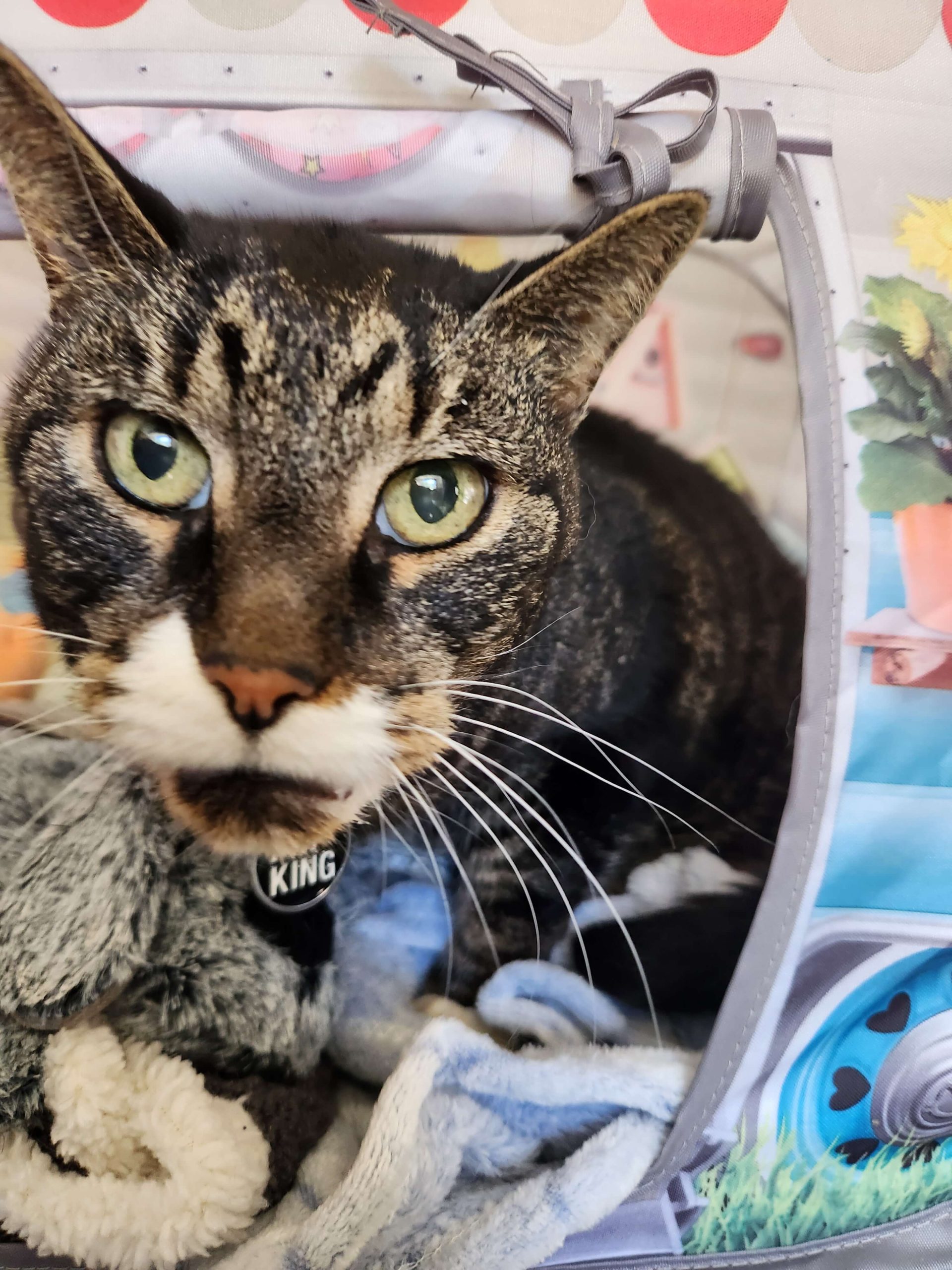
Shadow came into my life at two years old—a rescue cat born on the streets and rehomed by his first family so they could camp more frequently. No pedigree, no formal beginnings. But what he became was extraordinary.
From age 2 to 12, Shadow worked as my assistance animal. Not in the way people often expect—not a dog in a vest—but a cat who instinctively understood. He provided grounding, emotional regulation, and unwavering support. Most notably, he performed deep pressure therapy—something he chose to do consistently, intuitively, and without fail.
Even after retirement, he refused to let that role go. Until his very last breath, Shadow was still looking out for me.
A Healthy, Happy Cat—Until He Wasn’t
For most of his life, Shadow was the picture of health and happiness.
He loved Nina Ottosson-style puzzle toys, spending long periods focused and engaged as he worked things out. He enjoyed safely exploring outdoors, watching birds, and pretending to hunt them in the garden—stalking leaves, shadows, and movement with quiet intensity. He loved mousie toys, catnip, warm sun patches in the kitchen, and simply being near his people.
He was intelligent, curious, and deeply content.
Just three months before everything changed, Shadow was vaccinated by a veterinarian who commented that he was in such good health he would “easily reach 20 to 25 years of age, maybe even 30.”
That was the expectation. That was the future we were planning for.
Retirement and Health Challenges
At 13, Shadow was diagnosed with hyperthyroidism and underwent radiation therapy. It was a significant intervention, and it marked his formal retirement from active assistance work.
Later, urinary stones were identified and successfully managed through diet. He adapted. We adapted. Life continued—gently, carefully, and with ongoing monitoring.
But he always remained happy and healthy, and the boss of the family.
At 16, everything shifted.
Shadow was diagnosed with a pituitary tumour following signs consistent with acromegaly. It was devastating, but we were told he likely had around 12 months left.
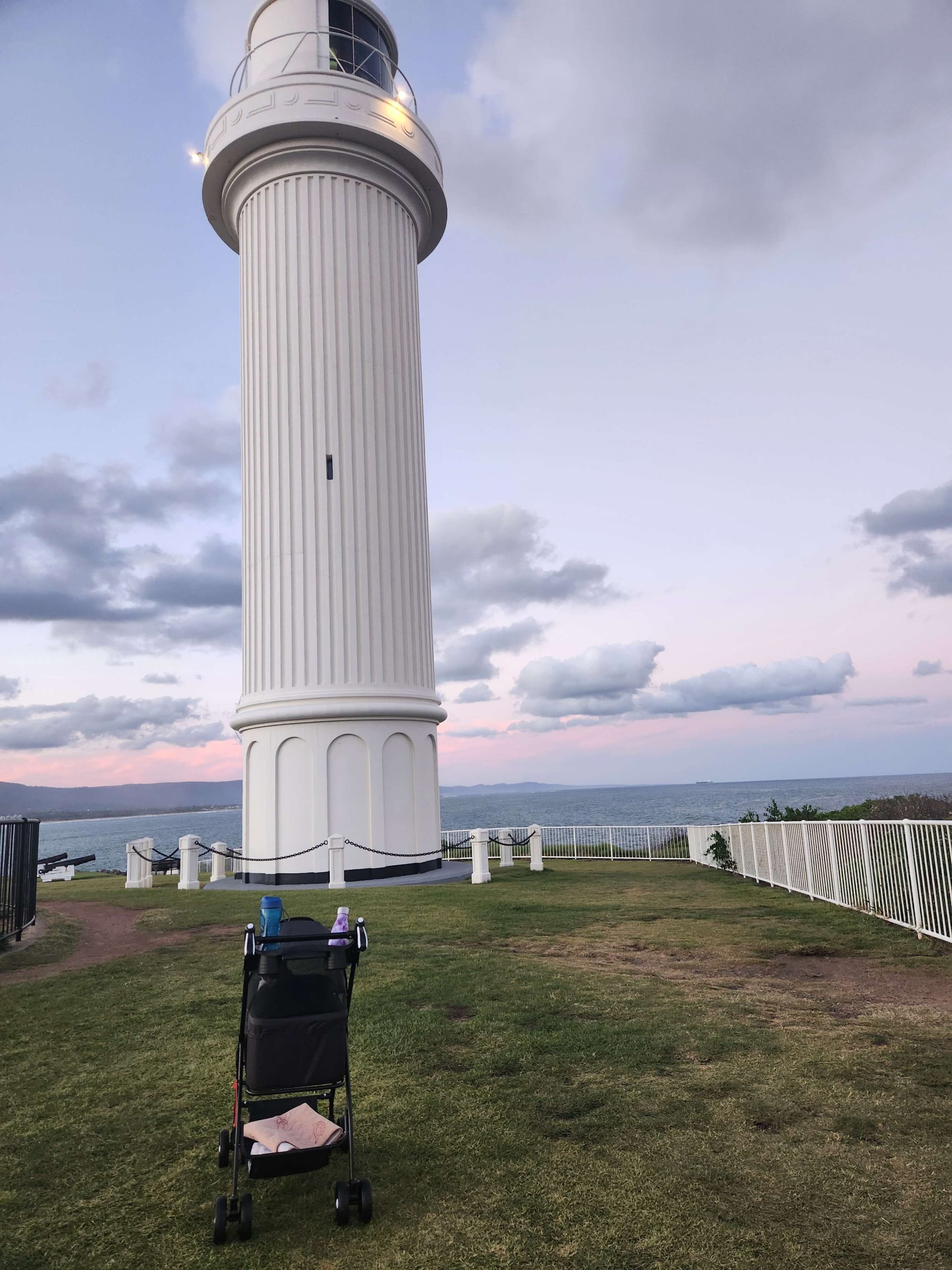
So we planned for 12 months—down to the smallest details. Trips to the beach, quiet outings, playtime, sunlit naps, and time together.
Thirteen Days That Became Everything
We made a decision: if we had 12 months, we would make every moment count.
Shadow chose his own toys and treats at the pet shop—anything he touched, we bought.
He visited Bunnings.
He stood in the wind at Sea Cliff Bridge.
He visited beaches, harbours, and quiet local walks.
He watched sunrises and sunsets.
He listened to birds from his favourite warm kitchen sun spot.
We watched the stars together.
Every moment was intentional. Every moment was love.
We thought we had time.
What We Didn’t Know
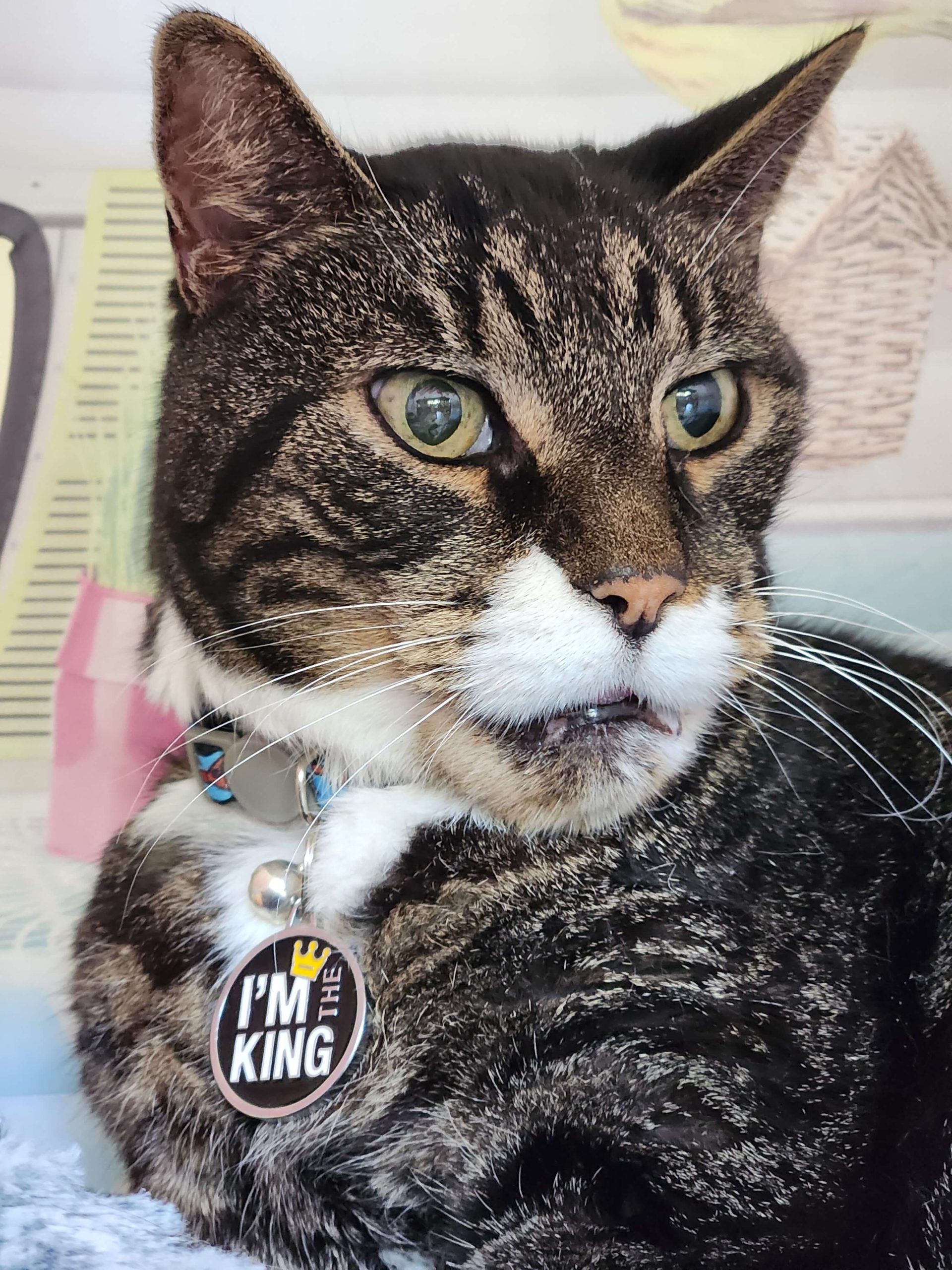
Over those 13 days, I sought multiple veterinary opinions—general, integrative, palliative, and specialist care. Of the seven veterinarians consulted, not one examined his mouth, until is was way past too late.
Critical things were missed:
Eventually, through the team at Coastal Vet Collective, we finally received the correct diagnosis:
Shadow had aggressive, end-stage oral cancer.
It had already metastasised.
The signs were there. The pain was real. And it had been missed.
Even with earlier incorrect diagnoses, Shadow should have been receiving pain relief. Any condition involving mandibular bone growth is inherently painful. His suffering was real.
For 13 days, he endured that pain—while still staying close, still engaging, still giving everything he had, and still begging for his daily pram rides.
The Final Hours
He was finally given the correct diagnosis and appropriate pain relief.
For approximately 36 hours, he was comfortable. Truly comfortable. Pain-free.
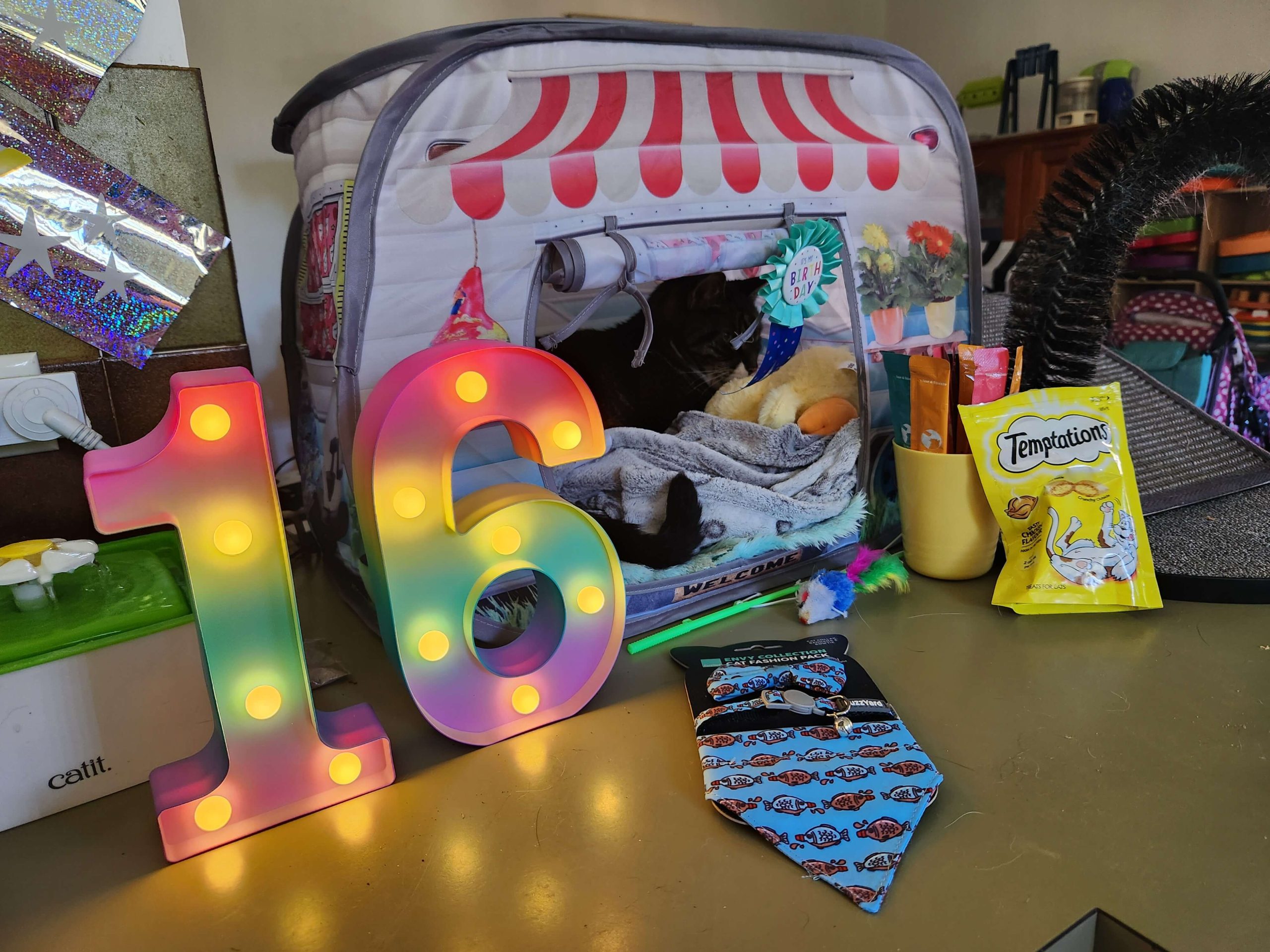
He played with his favourite mousie toy, video-called his favourite people, spent time with his fur siblings, and enjoyed small tastes of his favourite foods—including cat grass, and even chocolate, which he adored. We also did some art therapy together, which Shadow engaged in with gusto as we celebrated his 16th birthday.
We slept in the kitchen beside him those nights. He preferred being up high, on the counter, where he could see everything and everyone.
By the final morning, he was peaceful—resting in the soft kitchen sunlight, windows open so he could hear the early morning birds.
And then, at home, surrounded by love, Shadow was euthanised with the support of Rest Your Paws.
It was, in every sense, the goodbye he deserved.
Peaceful. Gentle. Dignified.
The Places We Didn’t Get To
We had still been planning more.
The lake.
The blowhole.
One last time feeling sand under his paws at the beach.
Those moments never came.
And that matters.
Because end-of-life care is not just about love—it is about time, truth, and accuracy.
A Legacy of Loyalty
Shadow was the smartest cat I have ever known.
He loved enrichment, exploration, play, and connection. Even in retirement, he remained deeply engaged with life—solving puzzles, pretending to hunt, enjoying catnip, and choosing closeness and comfort above all else.
And even in pain, even as his body failed him, he continued to perform deep pressure therapy—his self-appointed role. His purpose.
He did not give that up.
Not until the very end.
The Moral of Shadow’s Story
We now understand that Shadow was in significant pain for at least three months before his passing, though he remained stoic and determined not to show it.
Assistance animals (even retired ones) often prioritise their human bond over their own comfort, which increases our ethical responsibility to recognise suffering early.
Assistance animals are not “just pets.” They are working partners, emotional lifelines, and family. Their welfare failures do not remain isolated—they ripple directly into human lives.
This is not just devotion—it is a responsibility placed on us to see what they do not show.
Goodbye, Shadow
You were never “just a cat.”
You were my partner. My support. My constant.
A rescue who became extraordinary.
An assistance animal who never stopped working.
A soul who gave everything—right to the very end.
I hope you are somewhere warm, watching birds you can finally catch.
And finally, free from pain.
Shadow’s Legacy
Shadow’s legacy is chronicled at @serious.cat.shadow across most social media platforms, where we share the life he led, the memories we made together, and the foster animals he helped raise.
All monies raised through this page go directly toward the care of Shadow’s remaining fursiblings—each of whom are rescued, disabled animals requiring ongoing support, veterinary care, and lifelong management.
In this way, Shadow’s work continues.
Not through service—but through legacy, care, and the lives he still helps sustain.