Emotional Support Animals (ESAs), U.S. Policy Changes, and Why This Does Not Apply in Australia

Category: Media

Author: C.l.Williams

Recent media coverage of changes in the United States—particularly shifts in federal housing guidance relating to emotional support animals (ESAs) under the Trump administration—has created international discussion and, in some cases, confusion. It is important to be very clear at the outset: emotional support animals do not exist as a legal category in Australia. The term is entirely derived from the United States system and has no legal standing under Australian law.

We are addressing this topic not because it changes anything in Australia, but because overseas developments are often misinterpreted and incorrectly applied to Australian settings. This is especially common in online discussions, housing conversations, and disability-related advocacy spaces where terminology from different countries is blended without context.

When U.S. policy changes are shared globally, they are often presented without legal or jurisdictional explanation. This can lead to the mistaken belief that emotional support animals have the same status in Australia or that Australian assistance animal frameworks are shifting in response. Neither is true.


What is happening in the United States

In the United States, emotional support animals have historically existed within a narrow housing context rather than as service animals under disability law. They have never had public access rights under the Americans with Disabilities Act (ADA), but they have, in some circumstances, been considered under housing accommodation frameworks.

Recent policy updates reported in 2025–2026 indicate a tightening of how these animals are treated in federal housing guidance, with increased emphasis on distinguishing between task-trained service animals and untrained emotional support animals. While the exact legislative framework has not been abolished, the enforcement approach has shifted, resulting in stricter scrutiny of ESA-related housing requests.

This is a U.S.-specific policy development operating within their own legal system. It does not alter Australian law, nor does it create any new rights or restrictions in Australia.


Emotional Support Animals do not exist in Australia

Australia does not recognise emotional support animals in any legislation, regulation, or case law. There is no registration system, no certification process, no ESA category, and no legal framework that grants rights based on emotional support alone.

The term is sometimes used informally, but it carries no legal meaning in Australia. Importantly, when people refer to ESAs in an Australian context, they are not referring to a recognised legal category, but usually to companion animals (also known as pets) providing emotional comfort.


What Australia actually recognises

Assistance animals under Australian law

Australia’s legal framework instead recognises assistance animals under the Disability Discrimination Act 1992 (Cth). These animals are defined by function and training rather than emotional benefit.

Assistance animals are typically dogs trained to perform tasks or behaviours that assist a person with disability-related needs. They must also meet behavioural and hygiene standards in public settings. Where they meet the legal requirements, assistance animals are be entitled to access public places and are protected from discrimination in housing and services.

The defining principle in Australia is functional support linked to disability, not emotional comfort alone.


Companion animals, including what people call ESAs

Australia also recognises companion animals (pets), which is the legal category that includes pets and any animal living in a home that provides companionship or emotional comfort.

This is where emotional support animals fall in Australian law. Even where an animal provides significant emotional benefit, stability, or psychological support, it remains legally a companion animal unless it meets the criteria of an assistance animal.

Companion animals do not have public access rights, do not have disability discrimination protections based on their supportive role, and do not gain legal status through emotional function alone.


Therapy animals and the Australian context

The term “therapy animal” is not legally protected in Australia. There is no national licensing system, accreditation framework, or statutory definition attached to it. It is an informal term used across community, clinical, and volunteer settings to describe animals involved in wellbeing or therapeutic environments. The key here is to recognise that the animal must have the express permission of the proprietor to access these areas to provide therapy supports. In other words, they do not have the legally protected public access rights that assistance animals currently possess.

Because the term is unregulated, it can be used by anyone, regardless of training, oversight, or organisational structure.

Within WAFA’s terminology framework, a clearer distinction is used. WAFA refers to “personal therapy animals” to describe companion animals—pets living in a person’s home—that provide emotional support, comfort, stability, or assistance in managing mental illness or disability-related experiences.

This language is deliberately used to acknowledge the real and often significant therapeutic role these animals play, while maintaining clarity that they remain legally companion animals and do not hold any form of assistance animal status or public access rights.


Why this distinction matters

Confusion between ESAs, assistance animals, and companion animals is largely driven by the global spread of U.S. terminology through media and online platforms. In Australia, this can create several practical issues.

It can lead to misunderstandings about housing rights, with people incorrectly assuming that emotional support animals must be accepted under law. It can also result in disputes where tenants or service users rely on overseas frameworks that do not apply in Australia. In some cases, it can place pressure on housing providers, employers, or services based on incorrect assumptions about legal obligations.

It also risks undermining the clarity and integrity of legitimate assistance animal frameworks by blurring the distinction between task-trained working animals and companion animals providing emotional support.


Why we are referencing U.S. changes at all

The purpose of referencing U.S. policy changes is not because they affect Australia in any way, but because they are frequently shared without context and can easily be misinterpreted as having global application.

By addressing them directly, we aim to prevent confusion before it spreads into Australian conversations about housing, disability rights, and assistance animals.

Without this clarification, there is a real risk that people may assume Australia is adopting ESA frameworks, or that emotional support animals have legal recognition here. Neither assumption is correct.


The key takeaway

Emotional support animals are a concept that exists in the United States within a specific housing policy context. They are not recognised in Australia and have no legal status here.

Australia instead distinguishes clearly between assistance animals, which are task-trained and legally protected under disability law, and companion animals, which include all pets providing emotional or psychological support.

Informal terms such as “therapy animal” may be used in community settings, but they are not legally defined or protected. WAFA’s use of “personal therapy animal” is intended to provide clarity by describing companion animals that support wellbeing without implying any legal or access rights.

The systems are fundamentally different, and U.S. policy changes relating to ESAs do not alter Australian law or practice.
A Gentle Giant in Therapy Work Across a Lifetime of Care

Category: Media

Author: Lisa Grech, Therapy Dog Handler

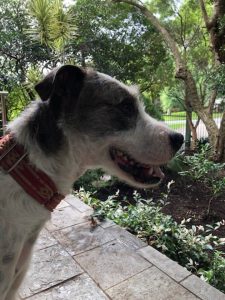
This is Connor. He is a rescue Irish Wolfhound × Great Dane, and a therapy dog. I first met him when he was just one year old, after he was rescued and came into my care. From that early stage, he was already showing the steady, thoughtful temperament that would later define his working life, but more importantly, he was simply mine—my companion, my responsibility, and the beginning of a bond that has shaped both of our lives ever since.

Now in his senior years, Connor continues to serve in a reduced capacity helping children learn to read. Over the years, I have had the privilege of watching him grow from a young rescue into a confident therapy dog and now into an elderly dog who still chooses to participate in work that he clearly finds meaningful and enjoyable. His story, to me, is not just about what he has done in service, but about the relationship we have built together and how that relationship has guided every stage of his working life.

A therapy dog is a trained animal that works alongside a handler to provide structured support to people in community settings. Therapy dogs include those that visit hospitals, schools, courtrooms,  police stations, universities, airports and nursing homes, amongst many other environments. Unlike assistance dogs, therapy dogs do not support a single individual with a disability; instead, they interact with multiple people in therapeutic contexts.

Animal-assisted interventions (AAIs) are defined in the literature as structured interactions involving animals to improve human physical, psychological, social, or cognitive functioning (Maujean, Pepping and Kendall, 2015). Systematic reviews have found that dog-assisted interventions can reduce anxiety, improve mood, and increase social engagement in clinical and community populations (Nimer and Lundahl, 2007). In aged care and hospital environments, therapy dog interventions have been associated with reductions in loneliness, agitation, and perceived stress, as well as improvements in social interaction (Barker et al., 2015). These effects occur within structured, supervised programs involving trained handlers and assessed animals (Maujean, Pepping and Kendall, 2015).

Before Connor ever stepped into therapy work, he served as a canine blood donor. This is a role I will always hold in deep respect. Canine blood donation programs are a vital part of veterinary emergency medicine, supporting trauma patients, surgical cases, and critically ill dogs requiring transfusions. While most people never see this side of veterinary care, donor dogs contribute directly to life-saving outcomes. Connor’s early service was quiet and routine, but profoundly meaningful. I don’t know how many dogs lives Connor saved, but I am so proud of his service nevertheless.

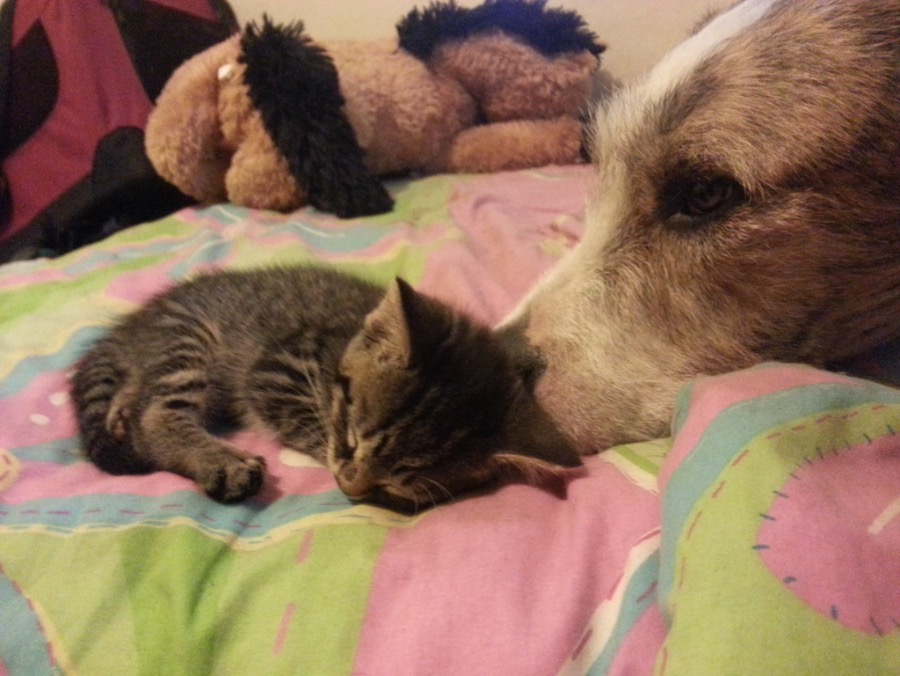
At one point in his life, Connor also unexpectedly took on the role of foster father. He cared for a small litter of orphaned kittens who had been rescued after being destined to be used as snake food. Despite his size and species difference, Connor showed an extraordinary gentleness with them, allowing them to sleep against him and move freely around him without any signs of distress or harm.

As Connor matured, I introduced him to aged care and nursing home visits. In these environments, I have consistently observed what research also reflects: animal-assisted interventions can improve emotional wellbeing and increase social engagement among residents (Barker et al., 2015). Even brief interactions have been associated with reductions in loneliness and improvements in mood and communication (Souter and Miller, 2007). In practice, Connor has never been a dog who “performs” in these settings. He does not need to. He simply enters a room, settles, and offers calm, steady presence. For many residents, that alone is enough to shift the emotional tone of an entire interaction.

Now in his senior years, Connor participates in a Story Dog program, where children read aloud to him. This stage of his life feels especially gentle and appropriate. Animal-assisted reading programs have been shown to improve children’s reading fluency, motivation, and confidence, particularly by reducing performance anxiety and providing a non-judgemental listening environment (Beetz et al., 2012). Connor does not correct, prompt, or evaluate. He listens. And in that silence, children often find a sense of safety that allows them to try, stumble, and try again.

Connor’s importance, to me, lies not in a single role but in the continuity of his impact across his life: veterinary transfusion support through blood donation, emotional wellbeing support in aged care environments, and literacy confidence development in children. Research consistently shows that animal-assisted interventions can contribute to improved emotional regulation, reduced anxiety, and enhanced social engagement across age groups (Maujean, Pepping and Kendall, 2015; Nimer and Lundahl, 2007). Connor is a lived reflection of these outcomes.

None of Connor’s work exists in isolation. Everything he has done has depended on a strong, respectful human–animal partnership. My responsibility has always been to ensure his welfare is protected, his workload remains appropriate, and that every interaction is safe, consensual, and genuinely positive for him as well as the people he supports. This partnership is what has allowed his working life to remain sustainable across many years.

Now elderly, Connor’s workload has naturally reduced. His visits are shorter, his rest is longer, and every decision is made with his comfort and wellbeing at the centre. Yet he still goes. Not because he must, but because he continues to enjoy the environments he is part of, and because he is still very much a dog who likes having a purpose.

His legacy, to me, is not defined by a single achievement, but by thousands of small moments: a transfusion that saved a life, a resident who felt less alone, a child who read a page aloud without fear for the first time.

Connor has taught me that therapy work is not about performance. It is about presence, consistency, and relationship. Across a lifetime of service, he demonstrates something I believe is often overlooked: that calm, structured human–animal interactions can meaningfully support emotional, cognitive, and social wellbeing when they are done well, and when the animal’s welfare remains the priority at every stage.

And sometimes, the most powerful intervention is simply a steady presence, a calm listener, and a gentle giant lying quietly beside you.

References

Barker, S.B., Rogers, C.S., Turner, J.W., Karpf, A.S. and Suthers-McCabe, H.M. (2015) ‘Benefits of interacting with companion animals: A systematic review’, Anthrozoös, 28(1), pp. 127–143.

Beetz, A., Uvnäs-Moberg, K., Julius, H. and Kotrschal, K. (2012) ‘Psychosocial and psychophysiological effects of human-animal interactions: The possible role of oxytocin’, Frontiers in Psychology, 3, p. 234.

Maujean, A., Pepping, C.A. and Kendall, E. (2015) ‘A systematic review of randomized controlled trials of animal-assisted therapy on psychosocial outcomes’, Anthrozoös, 28(1), pp. 23–36.

Nimer, J. and Lundahl, B. (2007) ‘Animal-assisted therapy: A meta-analysis’, Anthrozoös, 20(3), pp. 225–238.

Souter, M.A. and Miller, M.D. (2007) ‘Do animal-assisted activities effectively treat depression? A meta-analysis’, Anthrozoös, 20(2), pp. 167–180.

Twice Exceptional on Four Legs: Assistance Dogs, Giftedness and Invisible Disability

Category: Media

Author: C.L.Williams LM MA MFPol MMPol MEnvSc MSc MBA MDisServ MAutNeu MEd

I am often told I don’t “look” like someone who would need an assistance dog.

I speak fluently, write professionally, analyse systems and work with abstract frameworks. I can hold long threads of logic in my head. I am a member of Mensa International, which highlights cognitive capability.

Yet in a crowded supermarket, fluorescent lights, ambient sound and multiple simultaneous sensory demands can overwhelm my nervous system. What others might regard as a routine errand becomes a complex coordination problem: filtering noise, managing working memory, inhibiting distractors, sequencing tasks — all demands that engage executive functions — can rapidly derail the experience.

This apparent paradox — high cognitive potential paired with persistent functional challenges — is central to the phenomenon often called “twice exceptionality” (being both gifted and neurodivergent or disabled). It is also increasingly recognised that executive function disorders, sensory regulation differences and neurodivergent profiles like autism spectrum conditions (ASC) and attention-deficit/hyperactivity disorder (ADHD) may coexist with high intellectual ability without being “cured” by intelligence alone.


Understanding Twice Exceptionality


“Twice exceptional” (2e) is a term originally applied to school-aged gifted children who also have learning difficulties or neurodevelopmental conditions (Kranz, Serry & Snow, 2024). In recent research, 2e profiles are characterised by high ability in some domains alongside significant challenges in others, especially executive function and everyday adaptive skills (Kranz, Serry & Snow, 2024).

In a retrospective clinical study of children suspected of both giftedness and disorders such as ADHD, giftedness did not compensate for underlying difficulty in working memory and processing speed, indicating that cognitive strengths can coexist with meaningful cognitive and functional deficits (Romano et al., 2024). Although research on adult 2e populations is limited, these findings suggest that advanced reasoning does not inherently resolve regulatory challenges that can impair daily living.

Some studies of intellectually gifted children with ADHD show that their executive function behaviours (e.g. organisation, working memory, self-monitoring) are more impaired than in children with either giftedness or ADHD alone, underscoring the need to consider co-occurring conditions rather than conflating intelligence with functional capacity (François-Sévigny et al., 2026).


Intelligence ≠ Nervous System Regulation


Intelligence tests — such as those measuring abstract reasoning, pattern detection and verbal fluency — capture important cognitive capacities but do not measure executive control,

sensory gating, emotional regulation or attentional stability. A robust literature shows that executive deficits are common across neurodevelopmental conditions.

For instance, systematic reviews of executive function in ADHD and autism find that both groups exhibit significant difficulties in planning, flexibility, working memory and inhibition relative to typically developing groups, with effect sizes of moderate to large magnitude (Sadozai et al., 2024). These impairments are not eliminated by high IQ, and intelligence can mask — but not remove — executive dysfunction in real-world contexts.

Executive functions involve regulation of goal-directed behaviours and integration of sensory, motor and attentional systems; they are neurologically distinct from the cognitive processes measured by traditional IQ tests. Thus, high IQ may coexist with profound regulatory challenges.


Evidence on Assistance and Dog-Assisted Support

When exploring the role of assistance dogs for neurodevelopmental conditions such as autism, the peer-reviewed evidence is emerging but limited in quality.

A mixed-methods systematic review of assistance dogs for individuals with autism found 14 studies (including one randomised controlled trial, cohort and cross-sectional designs). The review reported some evidence of benefit, but noted the pooled effects were similar to those seen with companion dogs, and that the overall evidence base was of poor methodological quality, warranting caution in interpretation (Mulraney et al., 2025).

Qualitative components of the review showed that parents often perceive broad benefits (emotional regulation support, improved family stress), but they also felt unprepared for the practicalities of dog care and reported challenges with public access and community awareness (Mulraney et al., 2025).

Importantly, the findings suggest that many perceived benefits attributed to “assistance dogs” may also be associated with companion animals, and that high-quality research is necessary to clarify whether trained assistance animals confer unique advantages.

A broader recent systematic review of dog-assisted interventions (DAIs) — which includes therapy, assistance and structured interaction programs — found that DAIs show promise for improving some mental health or behavioural outcomes (e.g. social skills, symptom severity) in children and adults with neurodevelopmental or psychiatric conditions, although the quality of evidence and reporting is highly variable (Shoesmith et al., 2026).

Both reviews emphasise that the existing research base is not strong enough to make definitive causal claims about assistance dogs’ effectiveness for specific neurodevelopmental outcomes, highlighting the necessity of rigorous trials with clear intervention descriptions, control conditions and standardised outcome measures.


Assistance Dogs: Perceived Mechanisms of Support

Despite limited evidence, handler and caregiver reports in qualitative research consistently identify several themes in human-dog partnerships, including:

  • Emotional regulation support: owners often report reduced anxiety, calmer states and reassurance in overwhelming environments.
  • Social facilitation: dogs can act as social anchors, reducing perceived threat in public situations and easing social engagement.
  • Routine stabilisation: caring for an animal introduces predictable daily structure, which may benefit executive regulation and time management.

These reports align with broader research on human–animal interaction, which suggests that meaningful engagement with animals correlates with various wellbeing indicators.

However, it is crucial to distinguish reported associations from independently validated physiological or behavioural mechanisms. The potential role of assistance dogs is best viewed as contextual support — an external regulation aid — rather than a direct remediation of underlying neurological differences.


Why So Little High-Quality Evidence?

Several factors contribute to the current gaps in research:

1. Small samples and methodological limitations: many studies have limited statistical power, lack control groups or rely on parent-report measures without blinded assessments.

2. Heterogeneous interventions: dog involvement ranges from therapy sessions to full-time assistance, making comparisons difficult.

3. Inconsistent terminology: reviews highlight variable use of terms like “assistance dog”, “therapy dog” and “service animal”, complicating synthesis and interpretation.

The field urgently needs well-controlled, large-sample trials with clear definitions and standardised metrics to determine when and for whom dog-related interventions may provide reliable functional benefits.


Stigma, Support and Giftedness

One of the most persistent barriers to support access is stigma — the notion that needing assistance reflects weakness or failure. This belief is particularly entrenched among intellectually gifted populations, where competence is often conflated with independence.

Yet research on 2e individuals suggests that high cognitive ability does not protect against real regulatory constraints; it may even mask them. The ability to compensate in structured contexts can lead to under-recognition of executive deficits that still impair daily living.

Assistance — whether in the form of animal support, structured accommodations, or environmental adjustments — is not a concession. It is an adaptive strategy that acknowledges the multi-dimensional nature of human functioning: reasoning, sensory regulation, emotional control and executive sequencing operate along different neural systems.


Reframing Capability in Human Ecosystems

Human performance emerges from the interaction between person, environment and supports. A tool — whether glasses for vision, noise-cancelling headphones for sensory modulation, or a trained assistance dog for regulatory support — does not diminish the individual’s cognitive potential; it optimises the conditions under which that potential can be expressed functionally.

For twice-exceptional adults navigating complex sensory, attentional and executive demands, external scaffolding can make the difference between chronic overwhelm and sustainable participation in life, work and community.

Viewed through this lens, assistance dogs are part of an ecological approach to capability, not a contradiction of intelligence.


References

François-Sévigny, J. et al., 2026. Executive function behaviours in intellectually gifted/ADHD children compared to intellectually gifted and ADHD youth. PubMed.

Kranz, A.E., Serry, T.A. & Snow, P.C., 2024. Twice-exceptionality unmasked: A systematic narrative review of the literature on identifying dyslexia in the gifted child. Dyslexia, 30(1), e1763. DOI: 10.1002/dys.1763

Mulraney, M., Rincones, O., Bryant, C., Saredakis, D., Ghezzi, E. and Lampit, A., 2025. A mixed methods systematic review of assistance dogs for people with autism. Neuroscience and Biobehavioral Reviews, 173, p.106160.

Romano, S. et al., 2024. Giftedness and Twice-Exceptionality in Children Suspected of ADHD or Specific Learning Disorders: A Retrospective Study. Sci, 6(2), p.23.

Sadozai, A.K., Sun, C., Demetriou, E.A., Lampit, A., et al., 2024. Executive function in children with neurodevelopmental conditions: a systematic review and meta-analysis. Nature Human Behaviour, 8, 2357–2366.

Shoesmith, E., Hall, S., Sowden, A., Stevens, H., Pervin, J., Riga, J., McMillan, D. et al., 2026. Dog-assisted interventions for children and adults with mental health or neurodevelopmental conditions: systematic review. British Journal of Psychiatry.


About the Author: C.L. Williams brings a diverse and comprehensive expertise to her work as a published author of children’s short stories, an accomplished artist and photographer, an experienced VET trainer, a university tutor and trainer of assistance and detection dogs. She combines a deep knowledge of education with practical experience, bringing insights into the needs of individuals with disabilities and the integration of assistance animals in support roles. Her commitment to lifelong learning and service in both educational and animal care fields reflects a dedication to advancing community support and environmental stewardship.

Denied Access, Denied Dignity: Redleigh and Me

Author: Gwenda Darling, Assistance Dog Handler and Aged Care Advocate

My assistance dog Redleigh has been by my side through some of the hardest days of my life. Since being diagnosed with younger onset dementia in 2012, I’ve relied on Redleigh not just for guidance and safety, but for companionship, independence, and confidence.

Redleigh and I have been welcomed in places where I never imagined I would feel seen and included. He has accompanied me to Parliament House, sat beside me at government meetings, and joined me in countless public spaces as we appear together on boards and advocacy events. Everywhere we’ve gone, Redleigh has been accepted and treated as the essential support he is.

Yet, despite all this, transport remains a constant battle. Recently, a taxi driver refused to let Redleigh into the car. His reason? “Company policy.” In that moment, I felt vulnerable, frustrated, and shocked. How can a dog that is welcomed in Parliament House be denied access to a taxi? How can a person like me, who has fought for dignity, choice, and human rights for older Australians, be left stranded simply for needing my lifeline?

Redleigh isn’t a pet. He is my assistance dog, trained to support me as I navigate life with dementia. Without him, simple tasks—like attending appointments, visiting friends, or just getting home safely—become overwhelming, stressful, and unsafe. Denying him access isn’t just inconvenient; it undermines my independence, my safety, and my dignity.

I tell this story because it shouldn’t be happening. People with dementia, trauma survivors, and countless others rely on assistance animals every day. We deserve consistent access everywhere the law allows—including taxis, rideshares, and public transport.

Redleigh and I will continue to speak out. Access for assistance dogs is not negotiable—it’s a right. And until it is treated as such, I will keep sharing my story, because no one should be left behind simply for needing the support of a loyal, trained companion.

About the Author: Gwen is a dedicated member of the Aged Care Council of Elders, providing valuable insights to the government on aged care and promoting ageing well. With a career spanning over 50 years in both government and non-government organisations, Gwenda is a Palawa woman deeply committed to justice for Elders, particularly within the aged care system. Her extensive leadership roles include CEO of Anaiwan Aboriginal Land Council, Chairperson of Gandangarra Local Aboriginal Land Council, and Director of Hunter Aboriginal Children’s Services. Diagnosed in her late 50s with younger onset (behavioural-variant frontotemporal) dementia, Gwenda has become an advocate for dementia awareness and participates actively in research. Gwen lives independently at home with the support of her assistance dog, Redleigh, whom she trained under the auspices of the National Assistance Animal Training Group.


Independence Unlocked: Can Occupational Therapy Enhance the Assistance Animal Process?

Author: Dominique Hewat B.OT

Have you heard of Occupational Therapy?

Occupational Therapy is a person-centred health profession focused on helping people participate in the activities of their everyday lives. Importantly, “occupation” focuses on how people occupy their time, not limited only to paid work or employment (WFOT 2024).

In Occupational Therapy, activities of everyday life include all the things you need to do, want to do, or are expected to do. Some examples may include getting dressed, preparing meals, managing your energy across the day, parenting, studying, working, socialising, or accessing your community.

Occupational Therapists work with people to understand what helps or gets in the way of these activities. This includes looking at a person’s strengths, challenges, health, routines, environments, and supports. Once barriers are identified, an Occupational Therapist supports collaborative problem-solving it find practical, realistic ways to reduce those barriers and increase participation.

Everyone has strengths and challenges that affect their ability to do everyday activities. When those challenges start to significantly impact daily life, an Occupational Therapist may be able to help.

What does an Occupational Therapist actually do?

Occupational Therapists are trained to look at the whole person in their context, not just a diagnosis or a single difficulty. They consider how a person, their environment, and the activity itself interact.

An Occupational Therapist may help you explore:

  • Personal Factorssuch as strengths, skills, health conditions, sensory needs, fatigue, emotional wellbeing, or executive functioning.
  • Environmental factors including your home, workplace, school, community spaces, social environments, and whether these support or hinder participation.
  • Task demandsthe specific requirements of an activity from a physical, cognitive, emotional or social perspective.
  • The interactions between all these elements and how small changes can make big differences.

For example, difficulty preparing meals may not be about motivation or effort.  It could be related more to factors like fatigue, pain, sensory overload, memory demands, sequencing, planning, time pressures, strength, coordination, the physical layout of the kitchen… and generally it is a combination of factors.

How can Occupational Therapy help in everyday life?

Once challenges are identified, an Occupational Therapist works with you to develop a plan that supports participation in ways that align with your goals, preferences, and daily life.

This often includes one or more of the following approaches:

Skill development

Supporting you to learn new skills or adapt existing ones so activities feel more manageable.

Examples may include:

  • Developing strategies to manage fatigue or conserve energy across the day.
  • Learning ways to organise tasks when attention or executive functioning is impacted.
  • Re-learning daily activities following illness or injury.

This can also include education or training for family members, carers, or support people.

Environmental adaptation

Changing aspects of the environment to reduce barriers and improve participation.

Examples may include:

  • Modifying all or part of a home layout to reduce physical strain.
  • Adjusting lighting, noise, or sensory inputs.
  • Creating visuals supports, refining routines, or determining reminders.
  • Adapting a workspace to better support focus and comfort.

Aids, equipment, and assistive technology

Using tools or supports that make activities easier, safer, or possible.

Examples may include:

  • Food preparation equipment to help increase the ease of kitchen tasks, with reduced load onto the hand.
  • Shower stool to support safety and conserve energy while showering, or long handled sponges to support reaching.
  • Communication supports that help organise ideas that need to be communicated, in a way that requires reduced effort.
  • Digital tools such as reminder apps or to do lists.

Assistance animals are one form of assistive technology, used when appropriate, which is often when other lower-intensity support options are not sufficient or suitable.

… and Assistance Animals?

Under Australian legislation, an Assistance Animal is a trained support designed to facilitate participation for people with disability across personal and public life (AHRC, 2024).

Many people are familiar with Dog Guides (commonly referred to as Guide Dogs and Seeing-Eye Dogs) who provide navigation and orientation to individuals who are blind or vision impaired. However, Assistance Animals can support a wide range of needs, including medical alert, mobility assistance, psychiatric support, and task prompting. They may include different species, breeds, and training approaches depending on the role they perform. For example, a Blue and Yellow Tailed Macaw detecting changes in blood sugar, or a Border Collie providing mobility and psychological support.

How can an Occupational Therapist support in the Assistance Animal Process?

Occupational Therapists bring a functional, real-world perspective to the consideration of Assistance Animals, helping ensure the support genuinely improves participation and quality of life in the ways intended.

Exploring reasonable alternatives

Selecting, training, and maintaining an Assistance Animal is time-intensive and costly, an Occupational Therapist can help explore if other support may meet your needs more effectively or with less strain. This includes considering lifestyle, daily routines, capacity to care for an animal, and predicted long-term sustainability.

Understanding functional impacts

Through functional assessment, an Occupational Therapist can work with you to identify how disability or health-related challenges affect daily activities, and whether tasks performed by an Assistance Animal are likely to meaningfully reduce those barriers. This process helps ensure that any support chosen is likely to offer the greatest benefit

Considering a match for the right type of Assistance Animal

Occupational Therapists can help as part of the team in the consideration process practical factors such as:

  • Animal size and physical demands
  • Grooming, exercise, and care requirements
  • Home environment and access to outdoor space
  • What happens if the animal becomes unwell, injured, or needs to retire

For example, some individuals may benefit from a larger animal for mobility support, while others may need an option that is lower maintenance, with low energy levels and more likely to fit within their daily life.

Supporting training and implementation

Training an Assistance Animal is a significant undertaking, particularly for people already navigating the challenges associated with disability or chronic health conditions. An Occupational Therapist can help determine whether self-training, working with a trainer, or applying for a pre-trained animal will be the best fit for the circumstances. They can also liaise with trainers or organisations to ensure approaches align with the individual’s needs and increase the likelihood of success in the short-, medium- and long-term.

More than paperwork

As you can see, Occupational Therapists can be involved in supporting far more than just completing reports or funding paperwork! They help people make sense of challenges, identify meaningful goals, and find practical, sustainable ways to participate more fully in everyday life.

Where can I find an Occupational Therapist?  

Occupational Therapy Australia (OTA) is the peak body for the profession of Occupational Therapy in Australia (WFOT 2024). You can visit OTA at www.otaus.com.au to find a suitable OT.

The Working Animals Federation of Australia is also in the process of developing a nationally accredited course and credential for Occupational Therapists who wish to upskill in this area. They will be listed at www.workinganimals.com.au in the future.

Disclaimer: Please note the above article is intended for general information only and does not constitute advice or guidance for your specific situation. Always consult with a qualified (and where relevant registered) professional for personalised guidance related to your or your animal’s requirements.

References.

World Federation of Occupational Therapists (WFOT). (2024). About Occupational Therapy. Last accessed 10/11/2024 at https://wfot.org/about/about-occupational-therapy

Australian Human Rights Commission (AHRC). (2024). Assistance Animals and the DDA. Last accessed 10/11/2024 at https://humanrights.gov.au/our-work/disability-rights/projects/assistance-animals-and-disability-discrimination-act-1992-cth

About the Author: Dominique Hewat is a dedicated Occupational Therapist with over 10 years of experience in disability and mental health services, focusing on empowering neurodivergent individuals to engage meaningfully in their daily lives. Her approach combines Occupational Therapy principles with coaching, designed to help clients navigate their unique strengths and challenges in ways that align with their values. Dominique’s practice is distinguished by her commitment to inclusivity, affirming support for diverse gender identities and sexual orientations, and fostering an environment where clients feel safe to express their true selves. Through trauma-responsive, strengths-based approaches, Dominique partners with clients to set personalised goals that promote wellbeing, autonomy, and a sense of purpose. Her additional training in mindfulness, nature-facilitated therapy, and Occupational Performance Coaching enriches her practice, making her a trusted guide for individuals seeking meaningful participation in life. To learn more about Dom and her Assistance Animal Aurora visit her business page at https://discoverwe.com.au

Why the United Nations (UN) Sustainable Development Goals (SDGs) Matter for Working Animal Professionals

Author: C.L.Williams M.EnvSci LLM M.A M.BA M.Sc(Ag) M.FishPol M.MariPol M.Ed M.Aut M.Dis GD.Orni GC.Autism GC.ChildDis GC.CyberSec GC.MH GC.CapVertMgmt GC.Nutr GC.SpecIncEdu GC.AdultVET GC.HighEd GC.Ed GC.Disab GC.Mari GC.ABS B.Sc B.Zool B.Phil

When most people hear about the United Nations’ Sustainable Development Goals (SDGs), they probably think about big global issues, things like climate change, poverty, or clean water. But the truth is, these goals are relevant to all parts of society, including the world of working animals, like assistance, therapy, and detection animals. These incredible animals don’t just provide companionship – they help people live independently, safely, and fully. That connects directly to several SDGs, making the working animal industry an important part of building a sustainable, inclusive world.

What are the Sustainable Development Goals (SDGs)?

The SDGs are 17 global goals set by the United Nations in 2015 to address the world’s most urgent challenges by 2030. They cover everything from ending poverty and ensuring quality education to promoting good health, reducing inequality, and making cities sustainable. The idea is simple: if we can all work toward these goals – governments, businesses, communities, and individuals – we can create a fairer, healthier, and more sustainable planet.

At first glance, you might think SDGs are all about big policy or environmental targets – but they’re not. They’re also about people, inclusion, and accessibility. And that’s where assistance animals fit in.

Why Should We Care?

Supporting working animals is critical for creating equitable, inclusive societies. For example, assistance animals enable people with disabilities to participate fully in education, work, and community life. By helping remove barriers, these animals help advance multiple SDGs at once.

Caring about this isn’t just compassion because it’s practical. When people with disabilities have the independence, mobility, and confidence that assistance animals provide, they’re healthier, more productive, and better able to engage with the world. This has a ripple effect: families, workplaces, schools, and communities all benefit.

How SDGs Apply to Working Animals

Here’s a breakdown of some key SDGs and how they connect to working animals:

1. Good Health and Well-being (Goal 3)

Assistance animals significantly improve both physical and mental health. A guide dog allows someone who is blind or vision-impaired to navigate their environment safely, increasing independence and reducing stress. Therapy animals can reduce anxiety and improve mood, while hearing dogs provide safety and confidence. Detection animals assist by identifying medical, environmental, or safety-related risks, helping to prevent harm and support early intervention. This results in improved physical and mental health, reduced stress, and a higher quality of life for everyone.

2. Quality Education (Goal 4)

Education is more than classrooms – it’s about access and opportunity. Students with assistance animals can attend school, join activities, and access learning resources that might otherwise be difficult or impossible. This creates equality in education and ensures every child can reach their potential. Therapy dogs also support students in education by reducing anxiety, improving emotional regulation, and creating a calmer, more inclusive learning environment. This results in equal educational opportunities, confidence in learning, and improved social inclusion.

3. Decent Work and Economic Growth (Goal 8)

Assistance animals help adults get to work safely, pursue careers, and participate in economic life. By providing independence, these animals allow their handlers to contribute financially, reducing reliance on social support and enhancing workplace diversity. Therapy animals also support people in high-pressure environments such as courts, hospitals, emergency services, and other workplaces by reducing stress, supporting emotional regulation, and improving engagement and outcomes. This results in increased workforce participation, financial independence, and social contribution.

4. Reduced Inequalities (Goal 10)

These animals help level the playing field by giving people with disabilities access to public spaces, transportation, and essential services. They reduce barriers and discrimination, helping society be fairer and more inclusive. Benefits include social inclusion, empowerment, and fairness.

5. Sustainable Cities and Communities (Goal 11)

Assistance dogs highlight the need for accessible cities. Sidewalks, public transport, and buildings must be navigable, safe, and inclusive. Supporting assistance animals encourages communities to design spaces that work for everyone. Environments are safer, more accessible and inclusive.

6. Partnerships for the Goals (Goal 17)

The working animal industry thrives on collaboration. Breeders, trainers, volunteers, healthcare professionals, government agencies, and advocacy groups work together to train and support these animals. This partnership model is a real-life example of how collaboration can drive meaningful change.

Additional Impacts

Working animals also contribute indirectly to sustainability in other ways:

  • Reducing social isolation: Handlers are more likely to engage socially, which strengthens communities.
  • Promoting awareness: Assistance animals raise public awareness of disability rights and accessibility needs.
  • Encouraging inclusive policy: The presence of assistance animals in public spaces supports better urban planning, workplace inclusion, and education policies.


Conclusion

Working animals are more than companions – they are agents of inclusion, empowerment, and social change. By helping people live independently, participate in education, work, and society, and enjoy better health and well-being, they directly support multiple SDGs.

Supporting this industry isn’t just about helping individual people – it’s about building a fairer, healthier, and more inclusive world. So next time you see a dog at work, remember: these animals are tiny superheroes, helping us all move closer to achieving the Sustainable Development Goals.

Learn More about the SDG’s at https://sdgs.un.org/goals

About the Author: C.L. Williams brings a diverse and comprehensive expertise to her work as a published author of children’s short stories, an accomplished artist and photographer, an experienced VET trainer, a university tutor and trainer of assistance and detection dogs. She combines a deep knowledge of education with practical experience, bringing insights into the needs of individuals with disabilities and the integration of assistance animals in support roles. Her commitment to lifelong learning and service in both educational and animal care fields reflects a dedication to advancing community support and environmental stewardship.

Why Structure Matters: The Critical Role of Anatomy in Working Dog Welfare

Author: C.L.Williams M.EnvSci LLM M.A M.BA M.Sc(Ag) M.FishPol M.MariPol M.Ed M.DisInc M.Autism GD.Orni GC.Autism GC.ChildDis GC.CyberSec GC.MH GC.CapVertMgmt GC.Nutr GC.SpecIncEdu GC.AdultVET GC.HighEd GC.Ed GC.Disab GC.Mari GC.ABS B.Sc B.Zool B.Phil

When it comes to working dogs, whether assistance dogs, therapy dogs or dogs in other working roles, their ability to perform reliably and safely depends heavily on their physical structure. Good anatomical structure supports function, endurance, and long-term health. Conversely, dogs with poor joint, hip, or musculoskeletal structure face significant welfare risks if placed in high-demand roles.

Structure Dictates Function

An animal’s skeletal and joint structure is fundamental to how it moves, bears weight, and performs tasks. Poor structure, such as hip dysplasia, osteoarthritis, or patellar luxation, limits a dog’s functional capacity and can lead to chronic pain, reduced mobility, and shortened working life (Innes, Clayton, McCabe, Lascelles, & Comerford, 2003; Smith et al., 2020).

Radiographs, veterinary assessments, and physical examinations reveal the extent of structural compromise. Even a highly motivated or cooperative dog cannot safely compensate for compromised joints. Attempting to place such a dog in a working role risks accelerating joint degeneration and causing unnecessary pain (Kirkby & Lewis, 2012).

Common Structural Issues in Working Dogs

  • Hip Dysplasia (HD): Progressive joint laxity leads to cartilage wear, osteoarthritis, and decreased mobility. Dogs with moderate-to-severe HD are not suitable for demanding physical work, even with optimal management (Kirkby & Lewis, 2012).
  • Osteoarthritis (OA): Chronic joint degeneration reduces range of motion and endurance, and increases pain. OA requires lifelong management, and high-demand work can worsen the condition (Pye et al., 2024).).
  • Patellar Luxation (PL): Dislocation of the kneecap causes intermittent lameness and altered gait. Severe or bilateral luxations significantly compromise mobility and exacerbate joint degeneration (Smith et al., 2020).

Evidence from Veterinary Science

Veterinary research confirms that dogs with compromised structure cannot safely be pushed into high-demand roles:

  • Even under optimal management—including physiotherapy, hydrotherapy, controlled exercise, and joint supplements—structural joint disease cannot be reversed (McCarthy, O’Reilly, & Clegg, 2007; Toholová, Hornák, & Kuricová, 2024).
  • High-demand work increases mechanical stress on joints, accelerating pain and degeneration (Innes et al., 2003).
  • Physical therapy benefits all dogs, even those with ideal structure, by improving muscle tone, joint stability, flexibility, and endurance. This enhances performance and prolongs working life while reducing injury risk (McCarthy et al., 2007).

In short, structure drives function: a dog with poor structure cannot reliably perform tasks without risking pain or injury, and no amount of motivation, training, or supplementation can compensate for this limitation.

Maintaining Welfare in Dogs

While structurally compromised dogs should not be placed in working roles, their quality of life as companion animals can be optimised through welfare-focused management:

  • Weight Management and Body Condition: Maintaining an optimal weight reduces stress on joints and slows progression of arthritis (Roush, Roush, & Shultz, 2007).
  • Regular Veterinary Monitoring: Routine check-ups detect early pain or lameness and allow timely adjustments in care (Innes et al., 2003).
  • Physical Therapy and Low-Impact Exercise: Hydrotherapy, physiotherapy, and controlled exercise maintain muscle mass, joint mobility, and general fitness, supporting both structured and well-structured dogs (McCarthy et al., 2007).
  • Environmental and Lifestyle Adjustments: Supportive bedding, ramps, non-slip surfaces, and frequent shorter walks reduce strain. Mental enrichment can stimulate dogs without excessive physical demand.
  • Joint Supplements: Veterinarian-approved supplements, such as omega-3 fatty acids or products like Antinol®, can support joint health and reduce inflammation, though they are adjuncts, not replacements for weight management and physiotherapy (Toholová et al., 2024).

Ethical Considerations for Working Dogs

Peak bodies, including Assistance Dogs International (ADI), the International Guide Dog Federation (IGDF), and Animal Therapies Limited (ATL), in addition to WAFA standards emphasise that dogs must be free from chronic pain and structurally capable before entering working roles. Using dogs with compromised structure contradicts ethical best-practice standards, increases welfare risk, and is unlikely to be accepted by other organisations (Mellor et al., 2020).

Even highly motivated or well-managed dogs with structural compromise cannot reliably perform the physical and mental demands of working dog roles without risk of harm. Placement in work is, therefore, contraindicated, for the dog’s welfare.

Conclusion

The science is clear: structure dictates function, and function underpins welfare. Working dogs must possess sound anatomy and healthy joints to perform safely and reliably. Dogs with poor structure, hip dysplasia, osteoarthritis, or patellar luxation should not be placed in high-demand roles. Their quality of life can be preserved and enriched through careful management, physiotherapy, weight control, and supportive environmental modifications, ensuring they live comfortably as companion animals.

References

Innes, J. F., Clayton, J., McCabe, C., Lascelles, D., & Comerford, E. J. (2003). Long-term management of osteoarthritis in dogs. Journal of Small Animal Practice, 44(6), 255–263. https://doi.org/10.1111/j.1748-5827.2003.tb00085.x

Kirkby, K. A., & Lewis, D. D. (2012). Canine hip dysplasia: reviewing the evidence for nonsurgical management. Veterinary Surgery, 41(1), 2–9. https://pubmed.ncbi.nlm.nih.gov/22150604/

McCarthy, G., O’Reilly, M., & Clegg, P. D. (2007). Physical rehabilitation for the management of canine hip dysplasia and osteoarthritis. Veterinary Clinics of North America: Small Animal Practice, 37(5), 1029–1043. https://doi.org/10.1016/j.cvsm.2007.05.005

Mellor, D. J., Beausoleil, N. J., Littlewood, K. E., McLean, A. N., McGreevy, P. D., Jones, B., & Wilkins, C. (2020). The 2020 Five Domains Model: Including human–animal interactions in assessments of animal welfare. Animals, 10(10), 1870. https://doi.org/10.3390/ani10101870

Pye, C., Clark, N., Bruniges, N., Peffers, M., & Comerford, E. (2024). Current evidence for non-pharmaceutical, non-surgical treatments of canine osteoarthritis. Journal of Small Animal Practice, 65(1), 3–23. https://doi.org/10.1111/jsap.13670

Roush, J. K., Roush, J. R., & Shultz, K. L. (2007). Effects of body condition on the progression of osteoarthritis in dogs. Journal of the American Animal Hospital Association, 43(3), 136–142. https://doi.org/10.5326/0430136

Smith, G. K., Paster, E. R., Powers, M. E., Lawler, D. F., Shofer, F. S., & McKelvie, P. J. (2020). Long-term outcome in dogs with medial patellar luxation: 98 cases (1991–2003). Journal of the American Veterinary Medical Association, 256(7), 813–821. https://doi.org/10.2460/javma.256.7.813

Toholová, J., Hornák, S., & Kuricová, M. (2024). Non-surgical pain management for hip joint disease in veterinary medicine. Veterinarni Medicina, 69(8), 261–272. https://doi.org/10.17221/114065

About the Author: C.L. Williams brings a diverse and comprehensive expertise to her work as a published author of children’s short stories, an accomplished artist and photographer, an experienced VET trainer, a university tutor and trainer of assistance and detection dogs. She combines a deep knowledge of education with practical experience, bringing insights into the needs of individuals with disabilities and the integration of assistance animals in support roles. Her commitment to lifelong learning and service in both educational and animal care fields reflects a dedication to advancing community support and environmental stewardship.

“He’s Not Just a Dog”: The Human Cost and Hope Behind Assistance Animal Advocacy

Author: Vanessa Solomon GradDip.PortMgmt GradDip.StratLead GradDip.Mgmt(Learn) GradCert.Ed(P-10) GradCert.Ed(Sust) GradCert.Adult LLN B.Music(Hons) AdvDip.HRMgmt AdvDip.MkngComm Dip.Gov Dip.VET Dip.TDD Dip.WHS Cert4.TAE Cert4.MH Cert4.SBEdSupp

For Dave*, a 23 year old man based in Newcastle*, every morning used to start with a wave of panic.

Getting out of bed, catching the bus, standing in a line at the shops—every one of these tasks that many people wouldn’t think twice in doing, felt like climbing a mountain or Dave. That was until Max came along. Max is a rescue dog, a large mixed breed that has been trained to detect and interrupt Dave’s panic attacks. Max provides grounding pressure and create space in crowded places. With Max by his side, Dave began to rejoin the world again: finishing a local TAFE NSW course in Graphic Design, making friends along the way, and walking Max to the local cafe at the end of his street.

“He’s not just a dog,” Dave says. “He’s my safety net. He’s how I cope.”

Stories like Dave’s are not rare, but too often, they’re overlooked, misunderstood, or even dismissed—especially when people are forced to justify their relationship with their assistance animal through bureaucratic systems. Dave, with this support of his Occupational Therapist and Psychiatrist has experienced these difficulties, both when seeking access to the NDIS scheme, and again in front of the Administrative Review Tribunal (ART).

The Power of an Assistance Animal

Assistance animals aren’t a luxury—they’re life-changing. They support people with a wide range of disabilities, from visible physical impairments to psychosocial, neurological, and sensory conditions. They help with:

  • Deep pressure therapy during anxiety attacks
  • Guiding and alerting during dissociative episodes
  • Reminders and prompts for medication or daily routines
  • Providing a barrier or physical buffer in busy environments
  • Giving people the confidence to leave the house and engage socially

For many, an assistance animal is the difference between isolation and participation, despair and hope.

They are not “just pets” or companions—they are working animals, trained tools for independence with their jobs tailored to the very specific needs of their handler.

The Bureaucratic Disconnect

Yet when people like Dave apply for NDIS funding or recognition for their assistance animal or get looks o disgust when Dave and Max are “allowed” inside places where typically animals do not go (e.g. a Doctors Surgery), they often face a wall of misunderstanding.

One participant, Ellie*, shared her story of being told by an NDIS assessor, “We don’t usually fund pets.” Her heart sank. After spending over a 2 years training her dog with a qualified animal trainer and with

documented support from two psychologists, and an occupational therapist, she was denied on the basis that her dog “wasn’t value for money”.

“I felt invisible,” she says. “Like no one saw how hard I’d worked or how much she helps me.”

Another participant , Elena* was refused access to the NDIS office for her annual planning meeting by a senior planner because “That is not a yellow labrador, and you are not blind”. This was despite the fact that Elena’s assistance animal Daisy* was one of the less than 500 assistance animals to actually receive NDIS funding for purchase, training and ongoing maintenance. This is despite conservative estimates suggesting there are more than 10,000 assistance animals currently working across Australia.

Many NDIA decision-makers lack specialised knowledge about the diverse roles assistance animals can play. This can lead to:

  • Repeated requests for unnecessary or unrealistic evidence which is often lost or ignored
  • Conflicting advice from different NDIS planners or LACs
  • Misunderstanding of the difference between a pet, assistance animal and therapy animal
  • Rejection of fully qualified assistance animals despite them having legal recognition under federal law
  • Assumption that an assistance animal can fully replace all other NDIS funded services, even where evidence to the contrary is provided

The Emotional Toll of ART Appeals

When a funding decision is denied, the only option left may be to appeal through the ART. This is where advocacy becomes vital—but it’s also where the emotional toll often peaks.

“It felt like I had to prove my disability all over again,” says Jake, who lives with PTSD and autism. “They asked me questions like, ‘What does your dog actually do?’ And I just froze. It’s hard to explain something that feels so normal and necessary to you.”

The ART process can be incredibly formal, requiring extensive documentation, witness statements, and legal language that most people aren’t prepared for. Often, the NDIS is represented by legal counsel, which can be additionally daunting for a disabled person, advocating for themselves. For someone living with chronic anxiety, trauma, or cognitive impairments, navigating this system without support is almost impossible. Then, justifying an assistance animal, to people who do not understand their benefit, or understand the disability it can be additionally disheartening.

Why Advocacy Matters

Advocacy can make a world of difference. Skilled advocates can:

  • Translate personal stories into the legal language the system recognises
  • Help gather appropriate evidence from health professionals
  • Prepare individuals emotionally and practically for ART hearings
  • Stand alongside participants who are too overwhelmed to self-advocate

Most importantly, advocates can help protect the human at the centre of the process—reminding the system that this isn’t about paperwork; it’s about people, and sometimes the support required, can be in the form of an assistance or therapy animal.

Building a Better Understanding

If we want to build a more inclusive society, we need to start by listening. Listening to people like Dave, Ellie, Elena and Jake. Understanding that their animals are not just dogs—they are lifelines. They provide a service that improves their lives.

We also need to educate those in positions of power, particularly within the NDIA and ART, so that decisions are made with compassion, insight, and respect for lived experience and from a knowledge bases that is rooted in current best-practice for assistance animals.

Final Thoughts

Assistance animals enable people to live fuller, safer, more connected lives. The fight to have them recognised and supported shouldn’t be harder than the challenges people already face each day. As a community, we must do better. We must advocate louder. And we must always remember: behind every tribunal decision is a disabled person trying to live with dignity, independence, and hope.

*Names changed to protect individuals privacy

About the Author: Vanessa is a dedicated vocational education and training specialist and consultant based in Queensland with a passion for animals and a wealth of lived experience with disability. As a devoted animal lover and foster carer, she brings a compassionate approach to everything she does, integrating her love for animals into her professional life. Vanessa’s background in education, combined with her deep commitment to animal welfare, allows her to create enriching learning experiences that inspire her students and foster a deep respect for animals and their needs. Her unique perspective and heartfelt dedication make her a true advocate for both accessible education and animal care, creating lasting impacts on everyone she works with.

Aged Care Funding for Assistance Dogs: A Game-Changer for Older Australians

Author: Gwenda Darling, Assistance Dog Handler and Aged Care Advocate

Big changes are coming to Australia’s aged care system, and it’s good news for older Australians who rely on assistance dogs for support. Starting 1st July 2025, the new Support at Home program will include funding specifically for assistance dogs. This is a major shift that recognises just how vital assistance animals are in helping older Australians live independently, safely, and with dignity in their own homes.

For years, assistance dogs were lumped into the broader category of Assistive Technology, which had a lifetime cap of $15,000 for equipment and home modifications. While this might have helped a little, it was rarely enough to cover the full cost of acquiring, training, and maintaining an assistance dog. So, this new dedicated funding is a much-needed step forward to ensure that people who rely on these animals get the support they need.

Why Is This Change So Important?

Assistance dogs are not pets – they’re highly trained animals with specific roles that make a world of difference to people with disabilities, chronic illnesses, and age-related conditions. Their contributions go far beyond companionship and can include:

  • Mobility Assistance: Imagine someone with a vision impairment. An assistance dog can help them navigate their surroundings, find doors, pick up dropped items, or even carry groceries. It’s like having a personal guide and helper 24/7.
  • Medical Alert and Response: For people with conditions like diabetes, epilepsy, or heart disease, an assistance dog can detect signs of an emergency before it happens – such as a drop in blood sugar levels, an impending seizure, or a heart episode – and alert the individual or others nearby.
  • Psychosocial and Emotional Support: For older Australians living with dementia, PTSD, or anxiety, assistance dogs can provide emotional stability, ease the effects of social isolation, and help reduce anxiety, promoting overall well-being.

So, What Does This New Funding Mean?

This funding will provide a lot of benefits to older Australians who rely on assistance dogs to remain in their homes. Here’s what it means in practical terms:

  • Better Financial Accessibility: For many older Australians, the upfront cost of a trained assistance dog can be a huge barrier, not to mention ongoing expenses like veterinary care, food, and other essentials. Under the new system, those who need assistance dogs will have funding available to help cover both the initial costs and potentially ongoing expenses, reducing the financial strain on individuals and their families.
  • More Independence and Safety: Having an assistance dog means more than just having a pet – it’s about living more independently. Older Australians who might otherwise need help with daily tasks can continue living at home and maintain a higher level of autonomy. A dog trained to help with mobility or alert to medical changes can make a huge difference, keeping people safe in their homes for longer.
  • Combating Loneliness and Supporting Mental Health: Many older people, especially those in rural or isolated areas, face loneliness and feel disconnected from their communities. Assistance dogs provide not only physical support but also emotional stability, offering a constant companion that reduces social isolation and provides comfort. This mental health support can be life-changing, especially for those with anxiety or depression.
  • Recognition of Assistance Dogs as Essential Aids: The new policy marks a shift in how we view assistance dogs. They’re no longer just seen as “nice to have” but as essential tools for supporting older Australians in the same way that hearing aids, mobility scooters, or prosthetics do.

What Questions Are Still Unanswered?
While this policy change is exciting, there are still some important details to be ironed out:

  • Eligibility Criteria: Who qualifies for this funding? Will people who already have an assistance dog be able to receive support for ongoing care or training? These are important questions that need clarification to ensure fair access to funding.
  • Application and Assessment Process: Will people need to provide medical recommendations or specialist reports to apply for the funding? How will the process work, and what documentation will be required? We need clear guidelines to make sure everyone who needs this support can get it.
  • Scope of Financial Support: Will the funding only cover initial costs like purchasing and training a dog, or will it also cover ongoing expenses like veterinary care, food, and supplies? This is a critical point, as ongoing costs can add up, and many people rely on assistance dogs for years.

WAFA’s Role in the Advocacy
The Working Animal Foundation Australia is excited about this policy shift and will continue to push for an accessible and inclusive funding model that ensures no one is left behind. We’ll be closely following the rollout of the Support at Home program, advocating for transparency, clarity, and support for people who rely on assistance dogs.

If you or someone you know is using an assistance dog, or if you’re thinking of applying for one under the new program, we’d love to hear from you! Your feedback and experiences are invaluable in helping shape future advocacy efforts to make sure assistance dogs remain a practical and accessible option for older Australians who need them.

As we move forward, it’s important to keep pushing for the best possible support for older Australians, so that no one is excluded from the life-changing benefits that an assistance dog can provide. Stay tuned as we continue to advocate for these essential changes.

About the Author: Gwen is a dedicated member of the Aged Care Council of Elders, providing valuable insights to the government on aged care and promoting ageing well. With a career spanning over 50 years in both government and non-government organisations, Gwenda is a Palawa woman deeply committed to justice for Elders, particularly within the aged care system. Her extensive leadership roles include CEO of Anaiwan Aboriginal Land Council, Chairperson of Gandangarra Local Aboriginal Land Council, and Director of Hunter Aboriginal Children’s Services. Diagnosed in her late 50s with younger onset (behavioural-variant frontotemporal) dementia, Gwenda has become an advocate for dementia awareness and participates actively in research.

Gwen lives independently at home with the support of her assistance dog, Redleigh, whom she trained under the auspices of the National Assistance Animal Training Group. Redleigh provides essential companionship and assistance, forming a strong, supportive team with Gwenda as she continues her advocacy work for respectful, trauma-informed care for First Nations Elders.
The Working Animals Federation of Australia would like to congratulate Gwen for her nomination as NSW Senior Australian of the Year for 2025.

Unifying Language, Unifying Access: Why “Assistance Animal” Must Be the Standard Across Australia

Author: C.L.Williams M.EnvSci LLM M.A M.BA M.Sc(Ag) M.FishPol M.MariPol M.Ed GD.Orni GC.Autism GC.ChildDis GC.CyberSec GC.MH GC.CapVertMgmt GC.Nutr GC.SpecIncEdu GC.AdultVET GC.HighEd GC.Ed GC.Disab GC.Mari GC.ABS B.Sc B.Zool B.Phil

The Working Animals Federation of Australia (WAFA) advocates for the rights and recognition of animals who support people with disability—whether they are dogs, cats, parrots, miniature horses, or other species. These animals provide essential services, performing tasks that range from guiding and alerting, to retrieving, regulating, detecting and calming. They are vital, highly trained partners supporting some of the most vulnerable members of the Australian community. Yet they and their handlers continue to face barriers to public access—barriers rooted not in law, but in confusion.

This confusion stems from inconsistent, conflicting, and often misleading terminology used across the assistance animal sector. From “guide dog” to “psychiatric support animal,” “hearing dog” to “medical alert dog” and “dog guide,” our community has splintered into brand-, service- and disability-specific language that often obscures, rather than clarifies, who and what an assistance animal is. This is why WAFA is calling for a single, inclusive, and legally aligned term to be used across the sector: Assistance Animal. This term already exists in Australian federal law, and adopting it universally will reduce discrimination, streamline public access, and support inclusion for all.

The Legal Definition That Covers Everyone

Under Section 9 of the Disability Discrimination Act 1992 (Cth) (DDA), an assistance animal is defined as an “animal that is trained to assist a person with a disability to alleviate the effect of the disability,” provided the animal also meets appropriate standards of hygiene and behaviour. This definition makes no mention of specific conditions or species. It is designed to protect all individuals with disability and the animals who support them, whether for vision impairment, mobility, medical response, psychiatric stability, autism regulation, or any other condition.

This is the only terminology that carries legal weight in Australia when it comes to public access protections under federal law, and it is critical that all stakeholders, including government agencies, organisations, trainers, businesses and handlers, begin using it exclusively.

What Assistance Animals Are—and Are Not

Importantly, the DDA makes it clear that emotional support animals (ESAs), therapy animals, and companion animals do not fall under the definition of assistance animals. While these animals may provide comfort and wellbeing, they are not trained to perform specific disability-mitigating tasks and therefore do not have legally protected public access rights.

Unfortunately, many in the public, and often even those in professional roles, cannot differentiate between a legally recognised assistance animal and a pet labelled with well-meaning but misleading terms. This results in legitimate handlers being questioned, refused entry, or subjected to stressful and unnecessary confrontation.

Research supports this. Howell et al. (2022) highlighted the need for unified, legally consistent terminology to reduce the stigma and misunderstanding surrounding lesser-known assistance animal types. White and Taylor (2021) observed that handlers of psychiatric or non-traditional animals face disproportionate scrutiny when staff are unsure of terminology or legal status, and Brennan and Nguyen (2020) found that inconsistent language and branding in public signage and access policies significantly increase incidents of unlawful refusal.

The Trademark Trap—and the Trouble with “Dog Guide”

There’s another major issue compounding the confusion which is trademark infringement. Terms like Guide Dog and Seeing Eye Dog are trademarked by specific organisations. When other groups or individuals use these terms without permission whether this be on vests, websites, or promotional materials they not only risk legal action but contribute to an already fragmented and conflicted public understanding of assistance animal roles.

Even terms like dog guide, though often used with good intentions to reflect a person-first, rights-based approach avoiding trademark infringement, create further issues. It’s not a legally defined term in Australia and is easily misinterpreted as a specific subtype rather than a general category and only deepens public confusion and increases the risk of mistaken enforcement by venue staff, transport operators, and security personnel.

This is why WAFA strongly urges all sector participants to use the neutral, legally grounded term assistance animal. It avoids trademark conflicts, reflects the full diversity of working animals, and supports clearer, more consistent communication with the public.

Too Many Badges, Too Much Colour

Adding to this confusion is the rising trend of over-badging and often unintentionally attention-seeking equipment. Assistance animals are now frequently covered in multiple logos, vests, tags, QR codes, and patches, including those from breeders, trainers, assessors, registries, organisations, international peak bodies and government agencies. The result is a cluttered display that is difficult for the public or staff to decipher.

Even worse, some vests feature trademarked cartoon characters like Elmo or Mickey Mouse, offensive or crude slogans, racist, religious or political symbols and in some cases threats of violence. While these may draw attention and make the handlers point, they fundamentally misrepresent the role of assistance animals. These animals are not mascots. They are not entertainers. They are trained workers meant to fade into the background, not attract stares and breed hatred. In fact, their effectiveness often depends on the public not noticing or distracting them.

WAFA’s own anecdotal reports and observational data suggest that a simple, central label with the words “Assistance Animal” is significantly more effective in reducing public interference than vests covered in multiple phrases, images, symbols or warning labels. In fact, survey data collected between May 2021 and April 2023 suggest that over 97 % of over 2000 handlers surveyed experienced fewer public interactions and better recognition of their animal’s role

when using a single clear label versus multi-badged or decorated vests. This research is due for publication in the coming months.

This supports the principle that clarity, not clutter, leads to better outcomes for handlers and their animals. Excessive signage is not only ineffective—it can actively confuse or provoke the public.

One Term. One Message. One Future.

At the heart of this issue is a simple truth. Every group using its own terminology creates more problems than it solves. It places the burden of education and explanation on the individual handler who is already navigating enough barriers. It invites public doubt, encourages discrimination, and creates costly, preventable legal disputes.

Instead of competing for visibility, we should be collaborating for access.

Adopting the single, inclusive term assistance animal benefits all of us. It reflects the law. It respects all disabilities and all species. It reduces public confusion. It simplifies training for businesses and government staff. It eliminates trademark violations. It declutters vests and signage, and most of all, it fosters inclusion—not just for the animals, but for the people who rely on them every day.

A Call to Action

WAFA calls on all stakeholders—organisations, trainers, handlers, advocacy groups, and government agencies—to speak with one voice.

Lets work towards:

  • Using “assistance animal” as the default public-facing term denoting an assistance animal with legally protected public access rights.
  • Retiring outdated or trademarked descriptors and images unless legally permitted to use them.
  • Rejecting cartoon-themed or sensationalised animal gear in favour of clear, minimal identification.
  • Educating the public, businesses, and policymakers on the rights and roles of assistance animals under Australian law.
  • Designing vest and ID systems that prioritise function and clarity over not marketing or brand identity.

This is more than a branding exercise. It is a necessary shift towards equity, clarity, and dignity.

When we speak the same language, we create a safer, smoother, and more respectful path—for every person with disability, and every animal who works beside them.

References

  • Disability Discrimination Act 1992 (Cth), s. 9
  • Howell, T. J., et al. (2022). Assistance Animals: Roles, Recognition, and Rights. Human-Animal Interaction Bulletin.
  • White, C., & Taylor, A. (2021). Navigating Public Space with Non-Traditional Assistance Animals. Australian Disability Review.
  • Brennan, M., & Nguyen, K. (2020). Barriers to Public Access: A Review of Policy and Language. Journal of Inclusive Practice.
  • WAFA Internal Survey Data (2023). Handler Experiences with Identification Methods and Public Response [unpublished].


About the Author: C.L. Williams brings a diverse and comprehensive expertise to her work as a published author of children’s short stories, an accomplished artist and photographer, an experienced VET trainer, a university tutor and trainer of assistance and detection dogs. She combines a deep knowledge of education with practical experience, bringing insights into the needs of individuals with disabilities and the integration of assistance animals in support roles. Her commitment to lifelong learning and service in both educational and animal care fields reflects a dedication to advancing community support and environmental stewardship.